What Are Plymouth Rock Chickens?
If you’re thinking about raising chickens, you’re not alone—many people struggle to find a breed that’s both reliable and easy to care for. It can be tough to choose birds that lay consistently, have a calm temperament, and are hardy enough for a backyard flock. Luckily, Plymouth Rock chickens check all those boxes and more.
Plymouth Rock chickens are hardy, friendly American dual-purpose birds that you can keep for both eggs and meat. They originated in the United States in the 1800s and became popular for their steady laying, calm temperament, and easy care.
You’ll recognize them by their broad, sturdy bodies and barred black-and-white feathers, though other colors exist too. They’re a smart choice for backyard flocks, and there’s more to learn about their care and traits.
Key Takeaways
- Plymouth Rock chickens are a classic American dual-purpose breed, valued for both eggs and meat. They originated in the United States in the 1800s and became popular for their hardiness and reliability.
- They have a sturdy, rectangular body, yellow legs, a single comb, and often barred black-and-white feathers.
- Plymouth Rocks are calm, friendly, and easy to manage, making them great for family flocks.
- They need clean housing, balanced feed, fresh water, and regular health checks to stay healthy.
What Are Plymouth Rock Chickens?

Plymouth Rock chickens are a classic American breed known for their hardiness, calm temperament, and reliable egg production. When you keep them, you’ll notice a sturdy, dual-purpose bird that fits well into backyard flocks.
You can raise them for both eggs and meat, and they adapt easily to different climates and setups. Their broad bodies, single combs, and clean, attractive feather patterns make them easy to identify.
Plymouth Rocks suit many climates, with broad bodies, single combs, and easy-to-spot feather patterns.
If you’re comparing breeds, you’ll find Plymouth Rocks especially appealing because they’re friendly, manageable, and productive without requiring much fuss. Many breeders value them for consistent traits, so breeding techniques often focus on preserving their size, feather quality, and steady laying ability.
You’ll also see them in poultry shows, where judges use show standards to evaluate conformation, color, and overall balance. Whether you want practical farm birds or exhibition stock, Plymouth Rocks offer dependable performance and classic appeal.
Plymouth Rock Chicken History and Origins

To understand why these birds remain so popular, it helps to look at where they came from. You’ll find that Plymouth Rock origins trace back to the United States in the 1800s, when breeders aimed to create a hardy, dependable farm chicken.
Early poultry keepers valued birds that grew well, laid reliably, and handled changing weather, and Plymouth Rocks fit that need. They likely emerged from crosses involving Dominiques and other common stock, though records aren’t perfectly clear.
What matters is their historical significance: they became one of America’s most trusted dual-purpose breeds. As you learn about them, you’ll see how farmers spread them quickly because they performed well in both backyard flocks and larger operations.
Their success helped shape modern poultry keeping, and their reputation still reflects practical breeding goals rather than showy novelty.
Plymouth Rock Chicken Appearance and Color Varieties

Even at a glance, these chickens look sturdy and balanced, with a broad, deep body, a single comb, and smooth, close-fitting feathers that give them a clean, well-kept appearance. You’ll notice their shape is rectangular and strong, with a full breast, moderately long back, and yellow legs that add to their classic farmyard look.
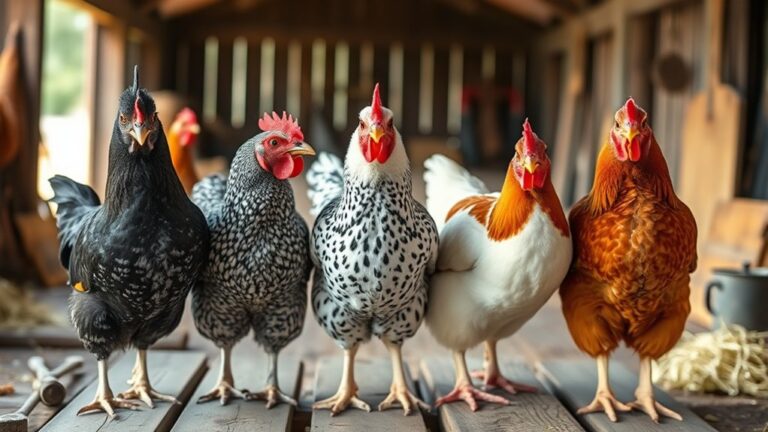
Their feather types stay neat and dense, helping each bird seem polished rather than fluffy. Plymouth Rocks come in several color patterns, but barred is the best known: black-and-white stripes across the body create a crisp, striking effect. You may also see white, buff, partridge, Columbian, or blue varieties, each with its own distinct look.
Despite the differences, all share the same solid build and even proportions. That consistency makes them easy to recognize, whether you’re comparing chicks, hens, or roosters in the flock.
Plymouth Rock Chicken Temperament and Behavior
Known for their calm, friendly nature, these birds are usually easy to handle and fit well into a backyard flock. You’ll notice they often approach people with curiosity rather than fear, which makes daily care simpler. Their social behavior is steady, and they usually mix well with other gentle breeds.
Calm, friendly birds that are easy to handle and fit naturally into a peaceful backyard flock.
In most flocks, they don’t dominate, but they won’t back down if another bird pushes too hard. That balanced attitude helps keep flock dynamics predictable and low-stress.
They adapt well to routine. They rarely act skittish. They usually tolerate gentle handling. They get along with mixed-age groups. They thrive when you provide space and consistency.
If you keep your flock calm and well managed, these chickens usually reflect that environment. With patience, you’ll see a bird that’s personable, cooperative, and easy to include in your backyard setup.
Plymouth Rock Chicken Egg Laying and Productivity
Plymouth Rock chickens are reliable layers, giving you a steady supply of medium to large brown eggs through much of the year. You can expect solid egg production from these birds, especially once they reach maturity around five to six months old. Their laying frequency is usually consistent, often giving you four to six eggs per week in favorable conditions.
They’re known for maintaining dependable output without being overly demanding, which makes them a favorite if you want a practical backyard flock. You’ll usually see the best results when your hens stay healthy and comfortable, since stress can reduce production.
Seasonal changes may also affect how often they lay, with shorter winter days sometimes slowing things down. Even so, Plymouth Rocks tend to keep performing better than many breeds. If you want a chicken that balances calm behavior with dependable eggs, this breed gives you exactly that.
How to Care for Plymouth Rock Chickens
Caring for Plymouth Rock chickens is straightforward when you give them a clean coop, fresh water, balanced feed, and enough space to move around comfortably. You should check the coop setup often because dry bedding, secure latches, and good ventilation help keep your birds healthy and calm.
Give them daily time outside so they can scratch, dust bathe, and stay active. Handle them gently to build trust, and watch for signs of stress, injury, or parasites.
Give them daily time outside to scratch, dust bathe, and stay active while you build trust gently.
If you raise chicks, keep breeding practices focused on healthy parents and consistent care, not just appearance. A tidy yard and regular cleaning also reduce disease risks and make flock management easier.
Inspect roosts and nesting boxes weekly. Replace wet bedding right away. Provide shade during hot weather. Protect them from predators at night. Observe behavior for early health changes.
What to Feed Plymouth Rock Chickens
You should start Plymouth Rock chicks on a quality starter feed to give them the nutrients they need early on. As they grow, you’ll want to make sure they get enough protein to support healthy muscle and feather development.
You can also offer treats and supplements, but just in moderation. This helps keep their diet balanced and a little more interesting for them.
Starter Feed Needs
From hatch to about 6 to 8 weeks old, Plymouth Rock chicks need a high-protein starter feed to support rapid growth and healthy feather development. You should choose starter feed types made for chicks since they meet key nutritional requirements for this stage. Offer crumbles rather than large pellets so your chicks can eat easily and waste less feed.
Keep fresh water nearby at all times and refill it often so they stay hydrated while they eat.
Use a chick starter, not layer feed. Keep feed available all day. Store feed in a dry, cool place. Check labels for balanced vitamins and minerals. Replace old feed before it spoils.
Protein For Growth
Protein drives healthy growth in Plymouth Rock chickens, especially during their fast-moving chick and pullet stages. You should feed a balanced ration that matches their growth requirements, with enough protein to build muscle, feathers, and strong frames.
Choose quality protein sources such as soybean meal, fish meal, or a well-formulated poultry feed designed for young birds. If you raise chicks, keep feed fresh and available at all times so they can eat as needed.
As your birds mature, you can gradually lower protein levels, but don’t cut too quickly or growth may slow. Watch their body condition, feathering, and activity to confirm they’re getting what they need each day.
Treats And Supplements
Treats and supplements can round out a Plymouth Rock chicken’s diet, but they should never replace a balanced feed. You can offer healthy treat options like mealworms, leafy greens, berries, and chopped vegetables in small amounts. These snacks give variety and encourage foraging behavior. Keep treats under 10% of daily intake so your birds stay nourished.
Cracked corn for cold weather energy
Cooked oats for a warm, easy snack
Pumpkin seeds for extra enrichment
Grit to help with digestion
Oyster shell as a calcium source for laying hens
Use nutritional supplements only when you need them, such as electrolytes during heat stress or probiotics after illness. Always provide clean water, and watch how your flock reacts to new foods.
Common Health Problems in Plymouth Rocks
Although Plymouth Rock chickens are hardy birds, they can still face a few common health issues that you’ll want to watch for. You may notice respiratory problems first, especially if dust, damp bedding, or poor airflow irritate their airways.
Watch for sneezing, wheezing, or nasal discharge, and act fast if signs spread. External parasites like mites and lice can also bother them, causing itchy skin, feather loss, and reduced egg laying. Regular inspections help you catch these pests early.
You should also monitor their feet for bumblefoot, which can develop from cuts or rough ground. Clean injuries promptly to lower infection risk. Overcrowding, stress, and breeding challenges can weaken them, so keep your birds comfortable and handle them gently.
Good disease prevention starts with clean housing, fresh water, balanced feed, and quarantine for any new bird. If you spot persistent symptoms, contact a poultry vet quickly.
Plymouth Rock Chickens for Backyard Flocks
If you want a friendly flock, Plymouth Rocks fit right into a backyard setup with their calm, easygoing temperament. Plus, you’ll really appreciate their steady egg production—it means a reliable supply of fresh eggs for you. And the best part? They’re simple to care for, so you won’t have to spend much time managing them.
Calm Backyard Temperament
Plymouth Rock chickens are a great fit for backyard flocks because their calm, steady temperament makes them easy to live with and simple to manage. You’ll notice their gentle nature when you approach the coop since they usually stay relaxed instead of darting away. Their social interaction with you and with other birds stays easygoing, which helps reduce stress in the flock.
They handle routine care without much fuss. They adapt well to family spaces. They mix politely with other chickens. They’re less likely to start chaos. They make daily chores feel smoother.
With this balanced personality, you can enjoy a peaceful coop and spend less time dealing with nervous, skittish behavior.
Egg Production Benefits
When egg baskets matter most, Plymouth Rock chickens deliver with steady, dependable production that suits a backyard flock well. You can count on a reliable stream of medium to large brown eggs, which helps you plan breakfasts, baking, and sharing with neighbors.
Their production rates stay respectable through much of the year, so you won’t see long gaps that frustrate you. You also get solid egg quality, with shells that usually hold up well and yolks that look and taste appealing.
Because they lay consistently without demanding extreme conditions, they fit nicely into a small homestead rhythm. If you want birds that support your table while keeping your flock productive, Plymouth Rocks give you a practical, rewarding option.
Easy Care Needs
Another reason backyard keepers like Plymouth Rock chickens is that they’re easy to manage from day to day. You don’t need fancy setups or constant supervision, which makes them a smart pick for busy households. Their easy maintenance fits small flocks, and they adapt well to routine care.
- Provide simple housing with good ventilation.
- Use dry bedding and clean it regularly.
- Offer balanced feed and fresh water daily.
- Let them free-range or use a secure run.
- Check their health while handling them calmly.
Because they’re hardy, you’ll spend less time troubleshooting problems and more time enjoying your flock. With straightforward feeding, cleaning, and shelter needs, Plymouth Rocks make chicken keeping feel approachable, even if you’re just getting started.
Is a Plymouth Rock Chicken Right for You?
If you want a friendly, dependable chicken that’s easy to manage, a Plymouth Rock can be a great fit. You’ll likely appreciate its calm nature, steady egg laying, and ability to adapt to mixed flocks. If you’re new to chickens, this breed gives you a forgiving start because it handles regular handling well and doesn’t demand complex care.
Before you buy, think about your breeding considerations and the housing options you can provide. Plymouth Rocks do best in a secure coop with enough space, clean bedding, and access to a safe run. You’ll also want to check whether you need layers, pets, or future breeding stock, since that shapes which birds you choose.
If you want a chicken that balances hardiness, productivity, and personality, this breed is worth serious thought. If you prefer a quiet, low-drama flock bird, you probably won’t be disappointed.
Frequently Asked Questions
How Much Space Do Plymouth Rocks Need in a Coop?
You should give each Plymouth Rock about 4 square feet of indoor coop space, so your coop dimensions can fit the flock comfortably. If you keep them locked up longer, aim for even more room to reduce stress and pecking.
You’ll also want at least 10 square feet per bird in an outdoor run. Good space requirements help your chickens stay healthy, calm, and productive, while making cleaning easier for you too.
Can Plymouth Rock Chickens Live With Ducks?
Yes, you can keep Plymouth Rock chickens with ducks if you manage space and routines well. By coincidence, you might notice both birds heading to the same feeder at dusk, which shows why you need clear zones.
You should watch Plymouth compatibility closely and adjust for Duck behavior, since ducks splash more and chickens prefer drier bedding. Provide separate waterers, roomy housing, and calm introductions, and they’ll usually coexist peacefully.
Are Plymouth Rocks Good in Cold Weather?
Yes, Plymouth Rocks are good in cold weather because you get strong cold weather hardiness from their dense feathers and sturdy build. You’ll still need smart winter care tips: keep their coop dry, block drafts, provide fresh unfrozen water, and add extra bedding for insulation.
You should also avoid overcrowding so they can stay warm comfortably. With proper care, they usually handle winter well and keep laying better than many breeds.
Do Plymouth Rock Chickens Make Good Mothers?
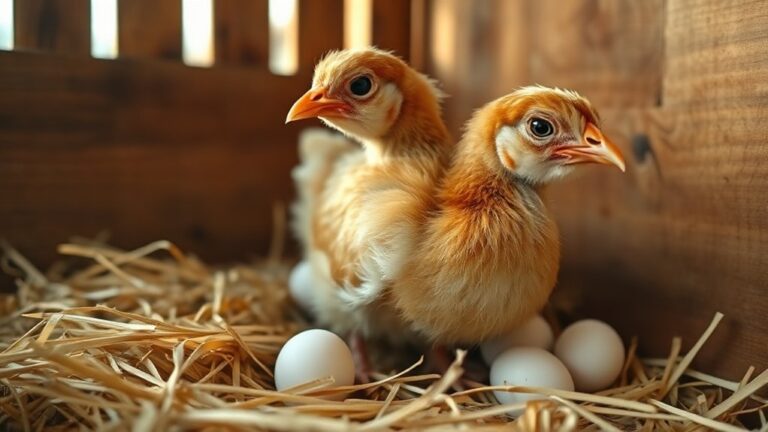
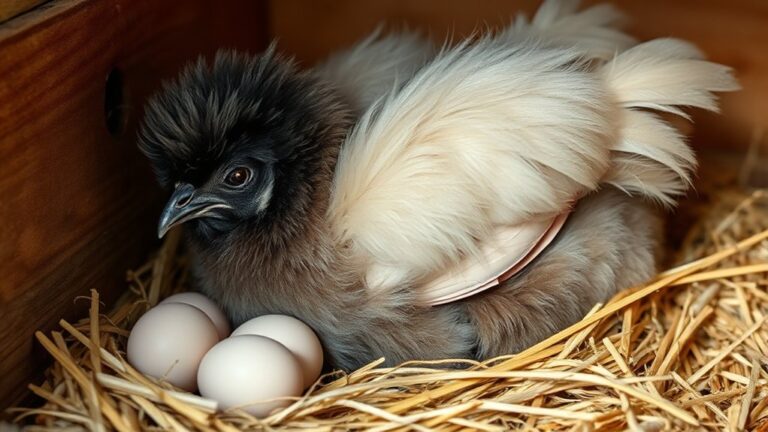
Yes, you’ll often find Plymouth Rock chickens make good mothers because they usually show solid maternal instincts. You can expect decent broodiness behavior, though not every hen will go broody.
When they do, they’ll typically sit well, protect chicks, and guide them patiently. You should still watch for heavy hens that might accidentally crowd chicks, but overall, they’re dependable, calm, and caring brood hens for your flock.
How Long Do Plymouth Rock Chickens Typically Live?
Plymouth Rock chickens typically live about 6 to 8 years, and you can sometimes keep them longer with excellent care. Lifespan factors include diet, housing, genetics, and predator protection.
Health considerations matter too, so you should watch for mites, respiratory illness, and obesity. If you give them clean water, balanced feed, and regular checkups, you’ll help your flock stay active and healthy for many productive years.
Conclusion
So, are Plymouth Rock chickens really the backyard all-stars people claim? The evidence points to yes. Their calm nature, steady egg laying, and easygoing care needs make them a smart choice for many flocks.
But the deeper truth is this: the best chicken for you is the one that fits your goals, space, and lifestyle. If you want a dependable, friendly bird, a Plymouth Rock might be exactly what you need. Plymouth Rock chickens can be a great fit for many backyard chicken keepers.