Can Chickens Be Pets?
Many people dream of having unique, rewarding pets but worry about the space, time, and care involved. If you’ve ever wondered whether chickens can fit into your lifestyle as pets, you’re not alone.
It can be tricky to find animals that are both interesting and manageable, especially if you don’t have a lot of experience.
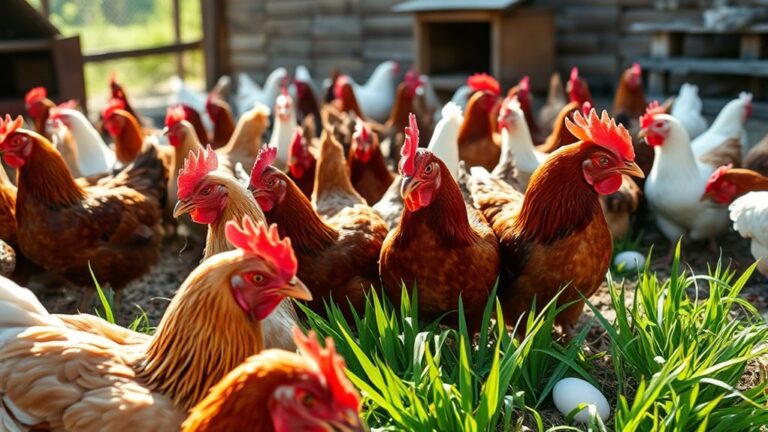
Yes, chickens can make great pets if you’ve got the space, shelter, and time to care for them. They’re curious, social birds that can learn routines, recognize people, and even follow you around the yard.
You’ll need a secure coop, fresh water, good feed, and room to scratch and forage. Can Chickens Be Pets.
Chickens may not be cuddly like cats or dogs, but they can still become friendly, rewarding companions with a little patience and care.
Key Takeaways
- Yes, chickens can be friendly pets that recognize faces, follow routines, and bond with their owners.
- They need enough outdoor space, secure fencing, and a sturdy coop for safety and comfort.
- A coop should provide good airflow, nesting boxes, roosts, and regular cleaning to stay healthy.
- Chickens require daily fresh water, quality feed, and age-appropriate care for laying hens, pullets, or chicks.
- Watch for health issues like appetite changes, wheezing, mites, drooping posture, or reduced activity.
Are Chickens Good Pets?
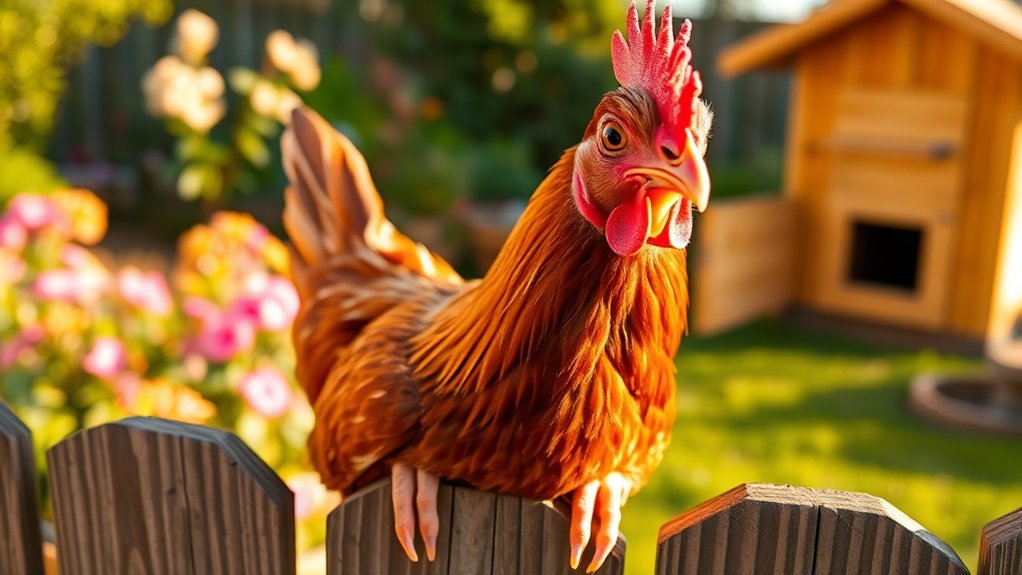
Are chickens good pets? Yes, they can be, if you want a lively, curious animal with personality. You’ll quickly notice their social behaviors: they recognize faces, follow routines, and may even hop into your lap for treats.
When you spend time with them, you build trust and can enjoy calm, watchful companionship. Chickens also offer a practical bonus through egg production, which many owners appreciate, though laying varies by breed, age, and health.
You shouldn’t expect the same cuddly style you’d get from a dog or cat, but you can still form a strong bond. If you value animals that are interactive, expressive, and entertaining, chickens may fit your life well.
They thrive on attention, clear routines, and gentle handling, so your patience often shapes how affectionate and confident they become.
Can Your Backyard Support Chickens?

Before you bring chickens home, you’ll want to check if your backyard has enough space and a safe shelter for them. It’s important to make sure your setup follows local rules too, since zoning laws and neighborhood limits can affect what you’re allowed to keep. With the right space and some good care, your yard can turn into a healthy spot for chickens to live.
Space And Shelter
If you’re thinking about keeping chickens, start by checking whether your backyard can safely fit them. You need enough outdoor space for them to scratch, forage, and move around without crowding.
A sturdy coop design matters just as much because it gives them a dry, secure place to roost at night and hide from weather. Plan for easy access so you can clean, refill water, and collect eggs without trouble.
If your yard feels tight, you can still make it work by using vertical space, secure fencing, and a compact run. Chickens do best when they have room to stretch their legs and shelter that keeps them calm, clean, and protected every day.
Local Rules And Care
Even a well-planned coop won’t help if local rules don’t allow backyard chickens, so check zoning laws, HOA restrictions, and any permit requirements first. You should also confirm noise, setback, and flock-size limits before you buy birds.
These legal requirements can change by city, county, or neighborhood, and ignoring them can lead to fines or forced removal. Once you’re clear to keep chickens, plan for daily care: fresh water, balanced feed, clean bedding, predator-proof housing, and regular health checks.
You’ll need to collect eggs, monitor behavior, and clean the coop often to prevent odor and disease. Good chicken ownership means you can meet these duties consistently. If your yard is small, shaded, or shared, consider whether you can still provide safe, healthy space year-round.
How Much Space Chickens Need

How much space your chickens need depends on their breed, size, and how much time they spend outside the coop. Smaller chicken breeds usually need less room than larger ones, but every bird still benefits from enough elbow room to move, scratch, and rest without crowding.
If you keep chickens for backyard gardening, give them enough outdoor access to help manage insects and weeds while preventing overgrazing. A few hens can do well in a modest yard if they roam regularly, but cramped conditions can lead to stress, pecking, and dirty living areas.
You should also think about flock behavior, because chickens like to investigate together and establish a pecking order. When you provide ample space, your birds stay healthier, and you’ll find them easier to manage. More room also means less competition for food and water, which supports calmer, happier chickens every day.
Setting Up a Chicken Coop
When you set up a chicken coop, make sure it’s big enough for your flock to move around comfortably. You want them to have plenty of space so they don’t feel cramped. Plus, good airflow is really important—it helps keep the coop fresh and prevents heat buildup.
At the same time, you’ll need secure walls to keep your chickens safe from drafts and predators. Nobody wants their hens stressed or in danger. And don’t forget to add clean bedding and nesting boxes. This way, your hens will have a cozy place to rest and lay their eggs. It makes a big difference for their comfort and happiness!
Coop Size Needs
A comfortable coop gives your chickens enough room to move, roost, and stay healthy without crowding. When you plan coop dimensions, think about the number of birds you’ll keep and give each hen enough nesting space to rest and lay comfortably.
Small flocks need less, but cramped quarters can lead to stress and pecking. Use this guide:
| Birds | Floor Space | Nest Boxes |
|---|---|---|
| 2 | 4 sq ft | 1 |
| 4 | 8 sq ft | 2 |
| 6 | 12 sq ft | 2 |
| 8 | 16 sq ft | 3 |
You’ll feel better when your chickens can stretch, turn around, and settle without bumping into each other. A roomy coop supports calm behavior and healthier birds every day.
Ventilation And Safety
Once you’ve set the right coop size, focus on airflow and protection so your chickens stay healthy and secure. You should choose ventilation types that move stale air out without creating drafts at roost level. High vents, screened openings, and adjustable windows can help regulate temperature and moisture year-round.
Keep predators out by using sturdy latches, hardware cloth, and tight-fitting doors, and inspect every seam for gaps. Add safety measures like covered openings and secure run connections so raccoons, dogs, and rodents can’t get in. You’ll also want to check for sharp edges, loose nails, or weak panels that could injure your birds.
Good ventilation and solid protection work together to keep your coop dry, calm, and dependable for daily use.
Bedding And Nesting
Choose bedding that stays dry, cushions your chickens’ feet, and makes cleanup easy. You can use straw, pine shavings, or hemp as bedding types, but skip anything moldy or dusty.
Spread a thick layer on the coop floor so moisture soaks in and odors stay low. Stir it often, then replace it before it turns wet or compacted.
In nesting boxes, line each space with soft nesting materials such as straw, shredded paper, or clean wood shavings. Keep the boxes slightly dark and private so your hens feel secure when they lay.
Check often for damp spots, eggshell bits, and mites. Good bedding and nesting help you keep the coop cleaner, healthier, and far more comfortable for your flock.
Feeding Chickens for Health and Happiness
Feeding your chickens well keeps them healthy, active, and content, so you should aim for a balanced diet that includes quality layer feed, fresh water, and occasional healthy treats. You’ll give them the best start by offering feed that matches their age and egg-laying stage. Then keep feeding routines consistent each day.
A steady schedule helps them feel secure and lets you spot changes in appetite quickly. If your hens need extra support, ask a poultry expert about nutritional supplements rather than guessing, since too much of a good thing can cause problems.
You can also offer small amounts of leafy greens, berries, oats, or mealworms to add variety and enrichment. Keep treats to a modest share of the diet so they don’t replace complete feed. When you pay attention to what they eat, you’re helping your chickens stay energetic, produce healthy eggs, and enjoy life as happy pets.
Daily Chicken Care and Coop Cleaning
Daily chicken care starts with a steady feeding routine, so you can keep your flock healthy and on schedule. You’ll also want to check that they always have fresh water, since clean access matters every day.
And don’t forget about the coop — keeping it on a regular cleaning schedule really helps reduce odor, pests, and disease. It might seem like a lot, but staying consistent makes a big difference for your chickens’ well-being.
Daily Feeding Routine
Each morning, you should give your chickens fresh feed and clean water. Then, check that everyone is active, alert, and eating well. Use feeding techniques that match their age and purpose, whether they’re laying hens, pullets, or chicks.
Offer a balanced ration that meets their nutritional needs. Keep treats limited so the main diet stays complete. Scatter feed lightly in the run if you want to encourage natural foraging, or use a feeder that stays clean and reduces waste.
Watch each bird eat because a steady appetite can signal good health. In the evening, remove leftover feed and sweep spilled grain from the coop floor. This helps keep pests down and supports a tidy, comfortable space for your flock.
Fresh Water Access
Fresh water should be available to your chickens at all times, since they drink often throughout the day and quickly become stressed without it. You should place a clean waterer where every bird can reach it without crowding.
Check it morning and evening, and refill it before it runs low. In hot weather, your flock’s hydration needs rise fast, so refresh the water more often.
Use cool, clean water and watch water quality closely, because dirt, droppings, and algae can make chickens hesitate to drink. If you notice spills or debris, rinse the container and replace the water right away.
A steady supply helps your chickens stay active, eat well, and handle heat better. When you keep water easy to find, you make daily care simpler and healthier.
Coop Cleaning Schedule
A simple cleaning routine keeps your coop healthier and your chickens more comfortable. Each day, you should check bedding, remove droppings, and refresh food and water areas. This quick habit lowers odor and helps prevent pests.
For weekly coop maintenance, scrape perches, stir or replace soiled litter, and spot-clean nest boxes. Your cleaning frequency may need to increase in wet weather or if you keep many birds in a small space.
Once a month, do a deeper clean: empty the coop, wash surfaces with a poultry-safe cleaner, and let everything dry fully before adding fresh bedding. Staying consistent protects your flock, makes chores easier, and helps you notice health problems early.
How Chickens Act Around People
When you spend time around chickens, you’ll notice they often act curious, alert, and surprisingly social. They may follow you across the yard, peek at your hands, and wait nearby when you bring treats. These social behaviors often show that chickens recognize routines and learn who feeds them.
Chickens often act curious and social, quickly learning routines and the people who bring treats.
You’ll also see that chicken personalities vary a lot: some birds stay bold and enthusiastic, while others keep a little distance until they trust you. If you move calmly and speak softly, many chickens will settle down and accept your presence.
They may crouch, peck gently at the ground, or hop onto a perch beside you. Over time, consistent handling can help them feel more comfortable around people. You don’t need to force interaction; patience usually works better.
When you respect their space, chickens often become friendlier and more relaxed around you.
Keeping Chickens Safe From Predators
Keeping chickens safe from predators starts with secure housing and smart daily habits. You should lock birds in a sturdy coop at dusk and check that latches, hinges, and wire mesh can’t be pried open. Use hardware cloth instead of flimsy chicken wire, and bury it or add an apron to stop digging animals.
Bright lights, motion sensors, and guard animals can work as predator deterrents, but you still need to inspect the yard often. Watch chicken behavior each day; alarm calls, crowding, or sudden silence can signal danger nearby. Give your flock covered runs, clear sightlines, and a place to retreat.
Trim brush, remove food scraps, and store feed in sealed bins so you don’t attract raccoons, rats, or foxes. If you free-range, supervise closely and bring birds in before dark. A consistent routine helps your chickens stay calm and much safer.
Common Chicken Health Problems to Watch For
Even with good predator protection, your chickens can still run into health issues, so it helps to know the warning signs early. Watch for changes in appetite, droppings, posture, and activity because small shifts often signal bigger trouble. Common problems include feather pecking, respiratory issues, mite infestations, egg binding, heat stress, nutritional deficiencies, leg problems, and behavioral disorders.
Even protected chickens can get sick, so watch for subtle changes in behavior and appetite early.
- Check breathing: wheezing, coughing, or nasal discharge can mean respiratory issues.
- Inspect feathers and skin: bald patches, scratching, or tiny moving specks suggest mite infestations.
- Watch laying hens closely: straining, weakness, or a swollen abdomen can point to egg binding.
- Notice movement and behavior: limping, crouching, aggression, or listlessness may indicate leg problems, heat stress, nutritional deficiencies, or behavioral disorders.
If you spot any of these signs, act quickly and isolate the bird if needed. Early attention usually gives your flock the best chance to recover fast.
Local Rules for Keeping Chickens
Before you bring chickens home, check your local zoning rules, HOA bylaws, and city or county ordinances, because limits on flock size, coop placement, roosters, noise, and setbacks can vary widely. You’ll want to read the exact chicken regulations for your address, not just general advice from neighbors or online forums.
Some zoning laws allow hens but ban roosters, while others require permits, inspections, or specific coop distances from property lines and homes. If you live in a rental, you may also need your landlord’s written approval.
Call your planning office if anything’s unclear, since staff can explain current rules and fees. Keep copies of approvals, because you may need them if a complaint comes up.
Following the rules helps you avoid fines, keep peace with neighbors, and build a coop that’s legal from the start.
Frequently Asked Questions
Can Chickens Recognize Their Owners?
Yes, chickens can recognize their owners. You’ll often see chicken behavior change around people who feed them, talk to them, and handle them gently.
With regular contact, they can learn your voice, face, and routines, building owner bonding over time. Some chickens even follow you, come when called, and stay calmer near you.
Their recognition isn’t like a dog’s, but it’s real and meaningful.
Do Chickens Get Lonely Without Other Chickens?
Yes, they can. A lone chicken can feel like a lantern with no room to glow; you’ll often see restlessness or dullness. Chickens have strong social behavior, so chicken companionship matters for their emotional needs.
In healthy flock dynamics, they groom, forage, and rest together. If you keep one bird, you should provide extra attention, enrichment, and safe interaction, or your chicken may get lonely and stressed.
How Long Do Pet Chickens Usually Live?
Pet chickens usually live 5 to 10 years, though some can reach 12 or more with great care. You can boost their chances with good chicken care, including a balanced diet, clean water, secure housing, and regular health checks.
Lifespan factors like breed, genetics, predators, illness, and stress all matter too. If you keep them safe and well-fed, you’ll often enjoy their company much longer.
Can Chickens Be Trained to Come When Called?
Yes, you can train chickens to come when called, and you’ll get the best results with training techniques that rely on positive reinforcement. Use a consistent sound, like a whistle or call, then reward them with treats every time they approach.
You’ll need patience, short sessions, and repetition. Start in a quiet area, and gradually increase distractions. With practice, your chickens can learn to rush over when they hear you.
Are Roosters Necessary for Pet Chickens?
No, you don’t need roosters for pet chickens. You can keep hens happily without one, and your flock can stay calm and productive.
Rooster behavior mainly matters for flock dynamics, breeding purposes, and noise levels, since roosters often crow loudly and may act more assertive.
If you just want friendly pets and eggs, hens alone usually work great. You’ll avoid the extra noise and occasional aggression roosters can bring.
Conclusion
Chickens can make wonderful pets if you’re ready for their needs. You’ll need enough space, a safe coop, good food, and a plan to protect them from predators.
You’ll also want to check local rules and watch for health problems. When you care for them well, chickens can be as entertaining and comforting as a backyard garden in full bloom.
So, if you’re prepared, you can enjoy a flock that’s both useful and lovable. Chickens can truly be great pets when given the right care and attention.