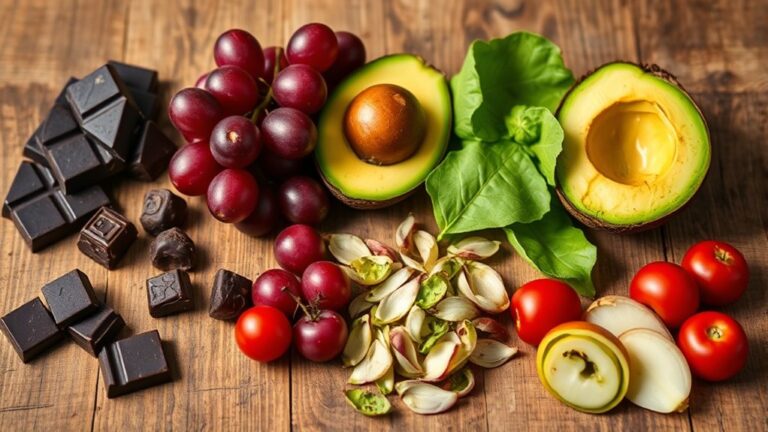
Can Chickens Eat Grapes?
If you’re a chicken owner, you’ve probably wondered what treats are safe and healthy to give your flock. You’re not alone—many people struggle with finding snacks that are both nutritious and enjoyable for their birds.
Grapes often come up as a tasty option, but it’s important to know how to offer them safely.
Yes, you can feed chickens grapes in moderation. Wash them first, and choose fresh, ripe, seedless grapes whenever possible. Can Chickens Eat Grapes.
Cut large grapes into smaller pieces to lower the choking risk, especially for chicks or smaller birds.
Avoid moldy, mushy, or fermented grapes, and don’t let treats replace their regular feed.
Grapes can add hydration and a little energy, but keep portions small and occasional if you want the safest way to offer them.
Key Takeaways
- Yes, chickens can eat grapes safely in moderation as an occasional treat.
- Wash grapes well and choose fresh, ripe, seedless grapes. Avoid moldy or fermented ones.
- Cut large grapes into small pieces to reduce choking risk, especially for smaller chickens and chicks.
- Grapes offer hydration and quick energy but should stay under 10% of a chicken’s overall diet.
- Feed grapes after regular feed and remove leftovers promptly. Healthier alternatives include berries, cucumber, and leafy greens.
Can Chickens Eat Grapes Safely?

Yes, chickens can eat grapes safely when you serve them in moderation and prepare them properly. You should wash each grape to remove dirt, pesticides, and debris, then cut large grapes into smaller pieces so your birds don’t choke. Whole grapes can be tricky for smaller chickens, so slicing them helps you keep feeding safer.
You also need to watch for grape toxicity concerns if you plan to offer any new treat; while grapes are generally fine, you should still introduce them slowly and observe how your flock reacts. Pay attention to chicken preferences, because some birds will rush for grapes while others ignore them.
Remove uneaten grapes quickly so they don’t spoil in the coop or run. Treat grapes as an occasional snack, not a meal replacement, and you’ll give your chickens a safe, simple treat they can enjoy without trouble.
Are Grapes Healthy for Chickens?

Grapes can be a healthy occasional treat for chickens because they provide water, natural sugars, and small amounts of vitamins and antioxidants. You can use them to add variety to your flock’s diet, especially when you want a juicy snack that many birds enjoy. Their grape nutrition is modest, so they work best as a supplement, not a staple.
Chicken preferences vary, though, and some birds may peck enthusiastically while others ignore them.
- They offer hydration on warm days.
- They provide quick energy from natural sugars.
- They contain small amounts of vitamin C and K.
- They can encourage enrichment and foraging behavior.
You should still keep treats balanced with a complete feed. Watch how your birds respond and adjust based on chicken preferences. If your flock likes grapes, they can be a tasty, beneficial treat when you serve them wisely.
How Many Grapes Can Chickens Eat?

You can offer grapes to your chickens as an occasional treat, but it’s best to keep the portion small. Just a few grapes at a time will do. You don’t want treats to replace their regular feed, you know?
For safety, it’s a good idea to stick to modest serving amounts and only give grapes now and then. That way, your chickens stay happy and healthy!
Safe Serving Amounts
A few grapes can be a healthy treat for chickens, but portion control matters. You should offer them in tiny amounts so your flock gets variety without overdoing sugar. The ideal serving depends on flock size, grape variety, and serving frequency, but small pieces work best.
Start with 1 to 2 grapes for a few birds. Chop large grapes to reduce choking risk. Remove stems and wash the fruit first. Watch how your chickens handle the treat.
If you keep portions modest, grapes fit easily into a balanced diet. You can hand-feed them or scatter pieces to encourage pecking. Just keep in mind that treats should support, not replace, their regular feed.
Occasional Treat Limits
Even with careful serving sizes, grapes should stay an occasional treat rather than a daily snack. You should think about treat frequency as much as portion control, because too many sweet extras can crowd out a balanced diet.
For most hens, a small handful of halved grapes a few times a week is plenty. If you keep a flock, split the fruit across birds so each chicken gets only a little.
You can offer grapes after their regular feed, not before, so they don’t fill up on treats. Watch your flock’s droppings, appetite, and weight, and cut back if you notice loose stools or picky eating.
Moderation keeps grapes fun, safe, and easy to manage in your coop routine.
Why Grapes Can Choke Chickens
Though grapes are soft and nutritious, they can still pose a choking risk for chickens because of their size and shape. When you offer whole grapes, a hen may try to swallow one quickly, especially if she’s excited or competing with flock mates. The slippery skin and round form can block the throat before she chews enough.
You should also watch grape size since larger grapes create more strain on a small bird’s airway. Good feeding techniques help, but they can’t remove the risk if a chicken gulps too fast.
Chickens don’t chew food the way you do. Round, smooth fruit can slide into the throat easily. Fast pecking increases the chance of blockage. Crowding at the feeder makes rushing more likely.
If you notice coughing, head shaking, or open-mouth breathing, act quickly. Keeping treats controlled helps you protect your flock and reduce avoidable choking hazards.
Should You Cut Grapes for Chickens?
You can definitely offer grapes whole, but slicing them can help reduce the choking risk for your chickens. Just make sure that if you do cut them, the pieces are small, clean, and easy for your birds to peck at. Whether you go with whole or sliced grapes, it’s best to pick the option that feels safest based on your flock’s size and how they usually eat.
Cutting Grapes Safely
Yes, if you’re feeding grapes to chickens, cutting them is the safer choice, especially for smaller birds or chicks. Good grape preparation keeps treats easy to peck and lowers the chance of choking. Use a clean knife and rinse the fruit first, then halve or quarter each grape before offering it.
This simple step fits smart feeding techniques and helps you serve snacks with less mess.
- Wash grapes well before cutting.
- Slice them into small, bite-sized pieces.
- Check for stems, bruises, or mold.
- Serve only a few pieces at a time.
You’ll also make cleanup easier and reduce waste. When you prep grapes this way, you give your flock a safer, more manageable treat without complicating their routine.
Whole Vs. Sliced Grapes
Whole grapes can be fine for larger chickens, but sliced grapes are usually the better choice because they’re easier to peck, safer to eat, and less likely to cause choking.
If you’re feeding a mixed flock, cutting grapes gives smaller birds better sliced grape accessibility and helps everyone get a fair share. You’ll also find that cutting can slow enthusiastic eaters and make treats easier to scatter.
Still, whole grape benefits include less prep time and a little extra enrichment for sturdy hens that can handle them well. If you choose whole grapes, offer them only when you can watch your birds closely and know their size and eating style.
For most coops, though, slicing grapes keeps snack time simple, practical, and chicken-friendly.
Choking Risk Prevention
Because grapes are round and slippery, they can pose a choking risk for chickens, especially small birds or fast eaters. You can reduce choking hazards by cutting each grape into halves or quarters before feeding. This simple step gives your flock safer bites and helps you control portions. Good feeding techniques matter when you offer treats.
Wash grapes first to remove dirt and residue. Slice larger grapes into smaller pieces. Serve only a few at a time. Watch your chickens while they eat.
If you notice any bird gulping food too quickly, pause the treat and slow the routine. You’ll keep snack time safer and still let your chickens enjoy grapes without unnecessary risk.
Can Chickens Eat Grape Seeds and Skin?
Grape seeds and skin are generally safe for chickens to eat in small amounts. You don’t need to peel grapes before offering them, and most hens can chew the skins without trouble. However, you should still watch for grape toxicity concerns if your flock gets into large quantities, since too much fruit can upset their digestion.
Seed digestion issues are usually minor, but some chickens may pass seeds slowly or struggle if they gulp food too fast. You can reduce risk by slicing grapes into small pieces and mixing them with other treats. That helps your birds peck calmly and lowers the chance of irritation.
If you notice loose droppings, reduced appetite, or unusual behavior after feeding grapes, stop offering them and check their diet. Keep grapes as an occasional snack, not a staple, so your chickens stay balanced, comfortable, and healthy.
Which Grapes Are Safest for Chickens?
When you’re choosing grapes for chickens, fresh, ripe, seedless grapes are usually the safest option. You can offer red, green, or black grape varieties as long as they’re washed and cut into small pieces. Avoid moldy, overripe, or fermented fruit since those can upset your flock’s digestion.
If you use different feeding techniques, keep portions modest so grapes stay a treat, not a meal.
Pick seedless grapes for easy eating. Wash them well to remove residue. Slice larger grapes to prevent choking. Serve plain, with no added sugar.
You’ll also want to choose firm grapes that feel fresh, not mushy. Organic grapes can be a nice choice if you want to reduce pesticide exposure, but any clean, healthy fruit works.
Can Baby Chicks Eat Grapes?
When you’re feeding baby chicks, remember their digestive systems are still developing, so they can’t handle the same foods as adult chickens. If you want to give them grapes, just be sure to cut them into tiny pieces and remove any seeds. This makes the grapes easier and safer for the chicks to eat. Also, only offer a very small amount because too much can upset their digestion.
Chicks’ Digestive Readiness
Baby chicks can nibble on grapes, but their digestive systems aren’t ready for much of anything beyond their starter feed at first. You should think about digestive maturity before you offer any treat because chicks need time to develop the gut strength and enzymes that handle varied foods.
Early food introduction should stay simple and limited so you don’t upset their growth.
- Stick with starter feed as the main diet.
- Wait until chicks are stronger and more active.
- Introduce treats only in tiny amounts.
- Watch closely for loose droppings or reduced appetite.
If you do offer grapes later, keep portions minimal and infrequent. Their tiny bodies benefit most from steady nutrition, not extra snacks.
Safe Grape Preparation
If you decide to offer grapes to baby chicks, prepare them carefully so they’re easy to eat and safe to digest. Wash them well to remove dirt, wax, and pesticide residue. Choose ripe grapes from safe grape varieties, and skip any that are moldy, split, or fermented.
Cut each grape into tiny pieces or mash it lightly so chicks can peck without struggling. Remove seeds and stems, since they can create choking risks or irritation. Keep the texture soft and fresh, and serve the fruit at room temperature.
Limit grape treats to an occasional snack, not a routine part of feeding. Watch how each chick responds and adjust feeding frequency if they seem disinterested or overly enthusiastic for sweet foods.
Portion Size Guidelines
For baby chicks, keep grape portions tiny, just a few small pieces per chick at a time. You should treat grapes as an occasional treat, not a staple, because their tiny bodies need balanced feed more than sweets. Good portion control helps you avoid digestive upset and keeps your flock enthusiastic for their regular diet.
- Offer only seedless, chopped grapes.
- Give a small amount once or twice a week.
- Remove leftovers quickly so they don’t spoil.
- Watch each chick for choking or loose droppings.
Serving frequency matters just as much as size. If you notice chicks ignoring their feed, scale back treats and return to chick starter. When you limit portions, you support healthy growth without overdoing sugar.
How to Feed Grapes to Chickens
You can feed grapes to chickens as an occasional treat by washing them well, removing any stems, and cutting large grapes into smaller pieces to make them easier to eat. Choose ripe, fresh grapes and offer them in moderation so they don’t crowd out their regular feed.
Wash grapes well, remove stems, and cut large ones into pieces for chickens as an occasional treat.
You can give different grape varieties, including red, green, or black, as long as they’re clean and free of mold. Keep the feeding frequency low, such as once or twice a week, and only give a few pieces at a time.
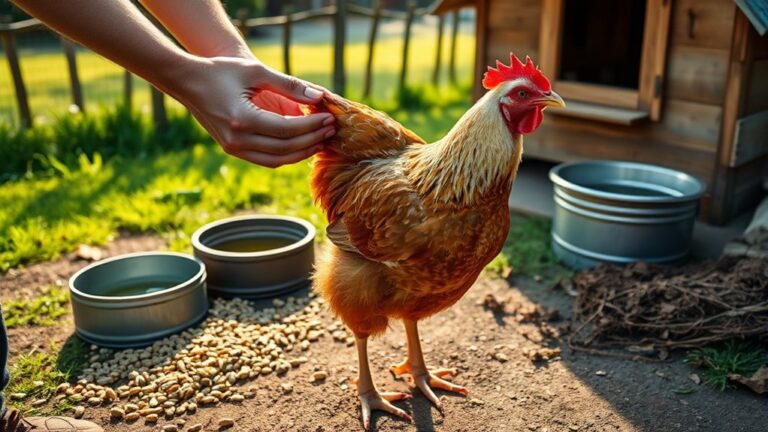
Scatter the pieces on the ground or place them in a shallow dish so your flock can peck safely. Watch younger birds closely, since smaller chickens may struggle with whole grapes.
Remove any uneaten grapes after a short time to keep the coop tidy and discourage pests. If you freeze grapes first, let them thaw slightly so they’re easier for chickens to handle and less likely to be overly hard.
Healthier Treat Alternatives for Chickens
Rather than relying on grapes alone, you can offer chickens healthier treats like leafy greens, berries, cucumber slices, shredded carrots, or small amounts of cooked oats. These options give your flock more nutritional benefits while keeping treats varied and interesting.
You can also rotate seasonal produce so your birds don’t get bored, and you’ll support better digestion, hydration, and feather health without adding too much sugar.
- Kale and spinach for vitamins
- Blueberries and strawberries for antioxidants
- Cucumber for hydration
- Cooked oats for steady energy
When you choose alternative fruits and vegetables, keep portions small so treats stay under 10% of their diet. You should wash produce well, chop it into manageable pieces, and remove any spoiled bits. By offering balanced treats, you’ll reward your chickens safely and help them stay active, healthy, and productive.
Frequently Asked Questions
Can Chickens Eat Raisins Instead of Fresh Grapes?
Yes, you can feed chickens raisins, but only in small amounts. You’ll get some raisins benefits, like quick energy and a little potassium, but dried fruit risks matter too.
Raisins contain concentrated sugar, so too many can upset digestion or encourage weight gain. Always offer plain, unsweetened raisins as an occasional treat, not a staple.
You should also provide fresh water and a balanced feed for healthier birds overall.
Do Chickens Prefer Red or Green Grapes?
Your chickens may prefer red grapes because they’re usually sweeter, but some birds like green grapes too. You’ll notice their taste varies, so offer both and watch what they pick.
Red and green grapes both provide similar nutrition, including water and natural sugars. You should cut them into small pieces to reduce choking risk and keep treats limited.
Freshness matters, so wash grapes before serving them to your flock.
Can Grapes Cause Diarrhea in Chickens?
Yes, grapes can cause diarrhea in chickens if you feed too many at once, though they’re usually safe in moderation. You might notice soft droppings after a sugary overload, not grape toxicity.
Give treats sparingly and keep your flock’s digestive health in mind. A juicy snack can delight them, yet too much can upset their gut.
Always provide clean water and balanced feed, and watch for any lasting changes.
Are Frozen Grapes Safe for Chickens?
Yes, frozen grapes are safe for chickens when you offer them in moderation. You’ll want to follow feeding guidelines and keep frozen treats as an occasional snack, not a staple.
Chop them if needed so your birds can peck safely, and always provide fresh water too. Since too many sweet treats can upset digestion, limit portions and watch for any loose droppings after feeding them.
Can Chickens Eat Grape Leaves Too?
Yes, you can offer grape leaves to chickens in small amounts. They’re generally safe, but you should treat them as an occasional snack, not a staple.
Good chicken nutrition still comes from balanced feed, and grape benefits are limited for your flock. Wash the leaves well, avoid sprayed vines, and chop them if needed.
Watch how your birds react, because too much leafy treat food can upset digestion.
Conclusion
So, yes, you can offer your chickens grapes as an occasional treat, and they’ll usually enjoy them. Just keep portions small, cut them up for easier nibbling, and choose seedless grapes when you can.
You don’t want to overdo it, since too many sweets can upset their little systems. Think of grapes as a fun snack, not a daily staple.
With a little care, you’ll keep your flock happy, healthy, and pecking away cheerfully. Remember, when it comes to feeding grapes, moderation is key for your chickens’ well-being.