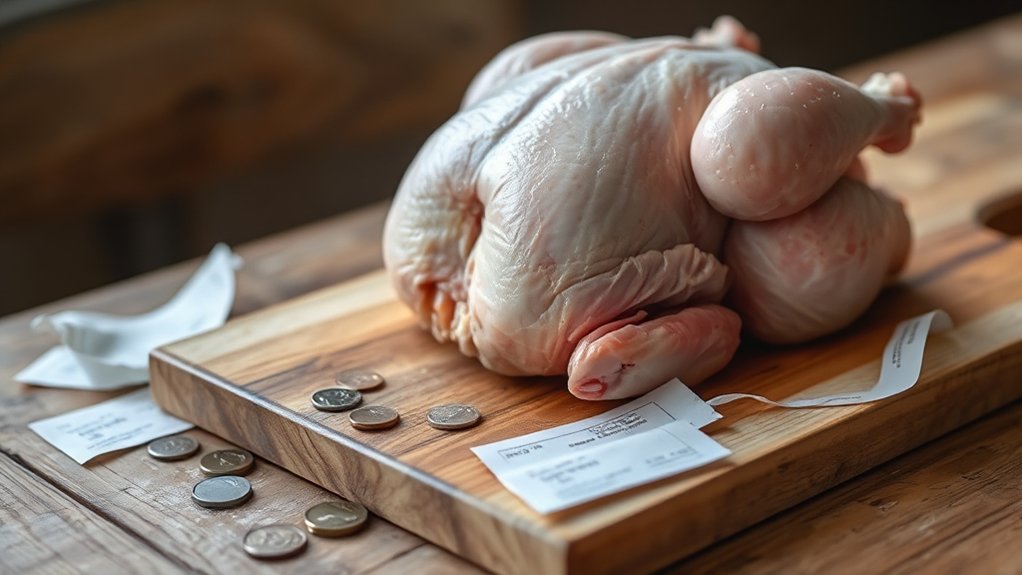
How Much Does a Chicken Cost?
Trying to figure out how much a chicken costs can be surprisingly frustrating. You’re not alone if you’ve found yourself confused by the wide range of prices at the store or online. Many people struggle with knowing what affects chicken prices and where to find the best deals without sacrificing quality.
A chicken just a few dollars at the store, with whole birds often running about $1.50 to $3.50 per pound, while boneless cuts usually cost more.
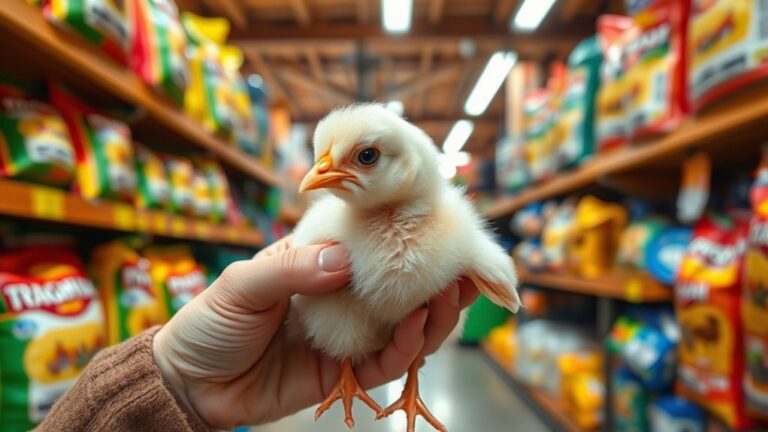
If you’re buying live chickens, prices can range from a few dollars for young chicks to much higher amounts for rare or specialty breeds.
Age, breed, cut, freshness, and local demand all affect what you pay. Keep going, and you’ll see where to find the best deals.
Key Takeaways
- Whole chickens at stores usually cost about $1.50 to $3.50 per pound, with specialty cuts costing more.
- Chicken prices vary by cut, quality, freshness, and seasonal demand, especially during holidays.
- Live chickens cost less for chicks and more for mature hens, rare breeds, or birds sold locally.
- Backyard chicken setup costs add up, including coop, feed, bedding, and ongoing maintenance.
- Budget options include buying in bulk, choosing thighs or drumsticks, and shopping local farms or sales.
How Much Does a Chicken Cost at the Store?
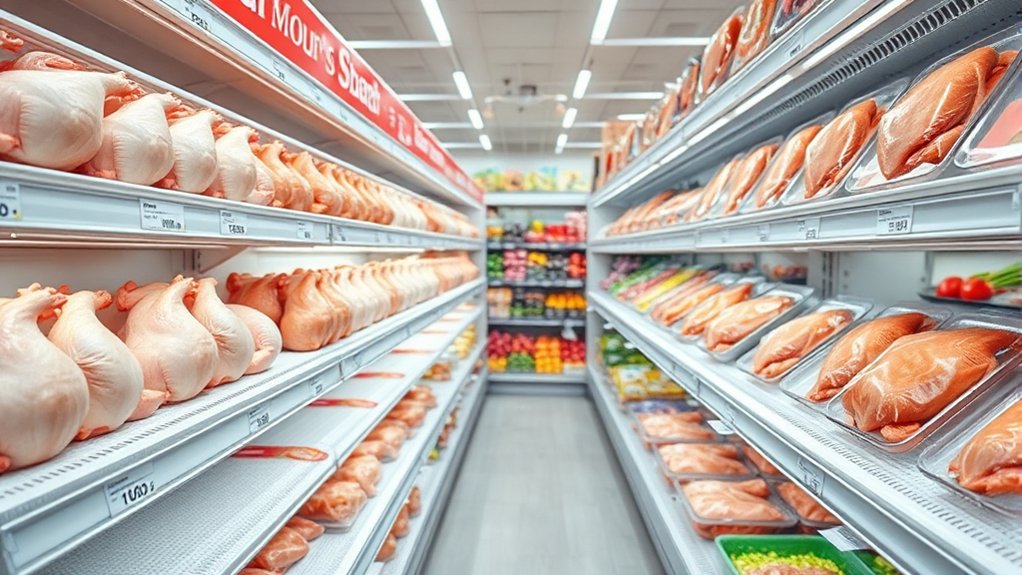
At the store, a chicken usually costs between $1.50 and $3.50 per pound, depending on the cut, brand, and whether it’s organic or free-range. You’ll usually pay less for whole chickens and more for boneless breasts or specialty packages.
When you compare store pricing, check the label closely so you can spot the size, weight, and sale price. A larger bird may seem pricier, but it can give you more meals for your money.
You should also look at chicken quality, since fresher meat and higher grades often cost more. If you shop at discount grocers, warehouse clubs, or during weekly promotions, you can often save a few dollars.
Preseasoned, prepacked, or ready-to-cook options usually add convenience and extra cost. By comparing packages side by side, you can pick the chicken that fits your budget and still meets your needs.
What Affects Chicken Prices Most?
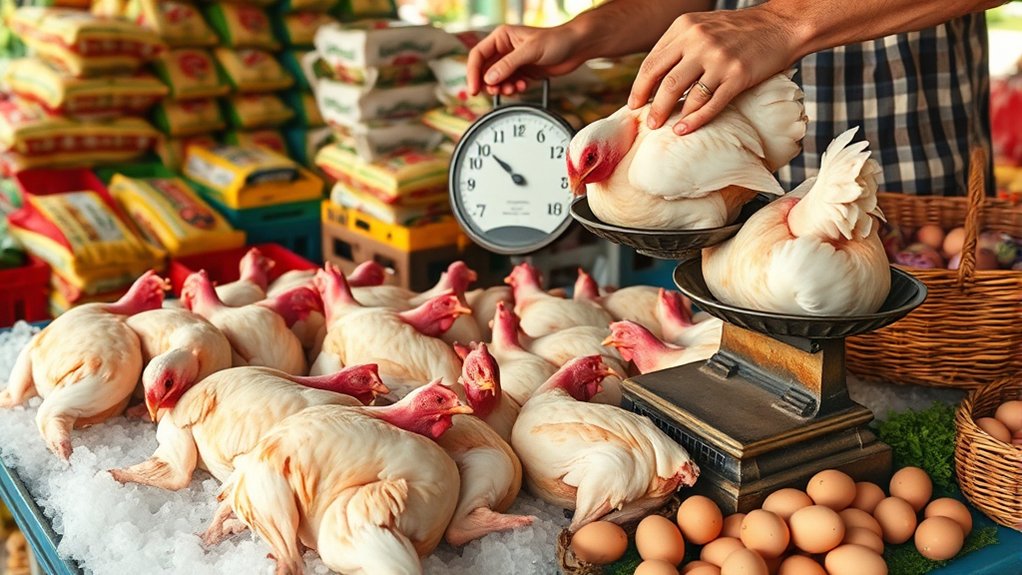
Chicken prices are shaped most by the cut, the quality, and where you buy it. You’ll also see shifts from the supply chain, market demand, and production costs. When feed prices rise, farmers pass along costs, and seasonal fluctuations can push prices up around grilling holidays.
Global trade matters too, because imports and exports affect supply. Disease outbreaks can tighten availability fast, while consumer preferences for organic, boneless, or air-chilled chicken often raise prices.
| Factor | How it changes price | Result |
|---|---|---|
| Feed prices | Higher input costs | More expensive chicken |
| Market demand | Strong buying pressure | Prices climb |
| Supply chain | Delays or shortages | Retail markups |
If you want the best deal, compare stores, watch weekly ads, and choose less popular cuts. You’ll usually pay less for value packs, whole birds, or sales tied to local inventory.
How Much Does a Live Chicken Cost?
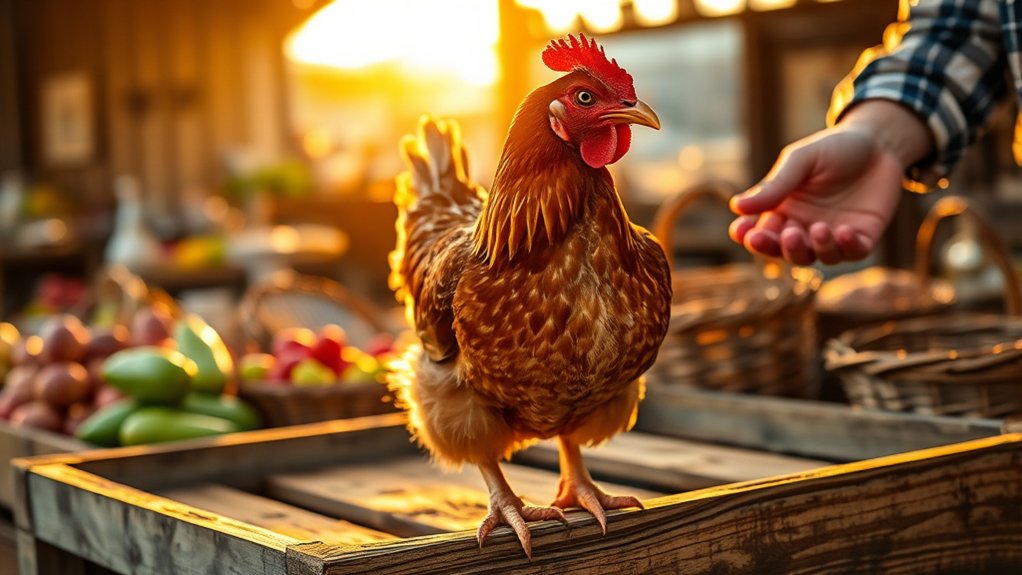
When you’re buying a live chicken, the price often depends on the breed and the bird’s age. Younger chicks usually cost less. On the other hand, rare or specialty breeds can be more expensive. You’ll also notice local market prices shifting based on demand, supply, and where you choose to shop.
Breeds and Age
Breed and age play a big role in how much a live chicken costs, because a baby chick usually costs far less than a grown hen or rooster. You’ll also pay more for rare heritage breeds since they’re harder to find and often valued for their looks, hardiness, or egg quality.
Dual purpose birds can cost a bit more too, especially if they grow into strong layers and decent meat birds. Younger chicks are cheaper up front, but you’ll spend time feeding and raising them before they produce eggs.
Older pullets cost more because they’re closer to laying age. Mature hens usually command the highest price if they’re already productive. When you shop, compare breed traits, age, and your long-term goals before buying.
Local Market Prices
Local market prices for a live chicken can vary a lot, but you’ll usually pay more in areas with higher feed costs, stronger demand, or fewer local sellers. You can often save money by comparing farm stands, hatcheries, and online classifieds.
Local sourcing matters because nearby sellers cut transport costs and may offer healthier birds. Seasonal variations also affect price, since spring chicks and holiday birds often cost more.
- Check weekly ads for the best deals.
- Ask farmers about breed, age, and vaccinations.
- Buy in groups to lower your per-bird cost.
If you live near a poultry market, you’ll likely find more options and better bargaining power. In rural areas, prices may be lower, but selection’s slimmer.
Which Chicken Breeds Cost the Most?
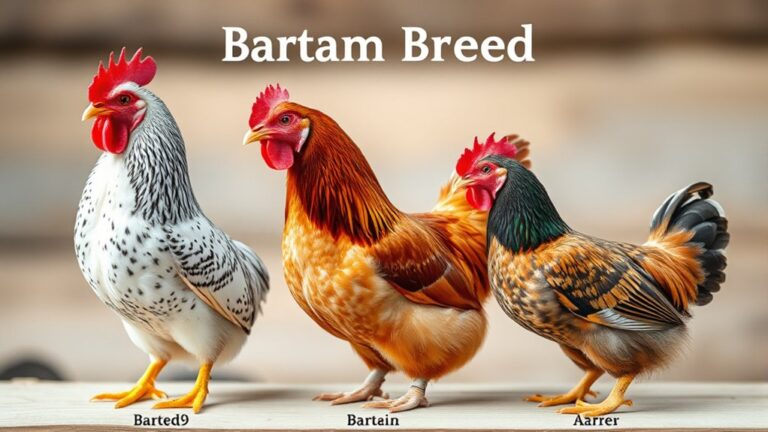
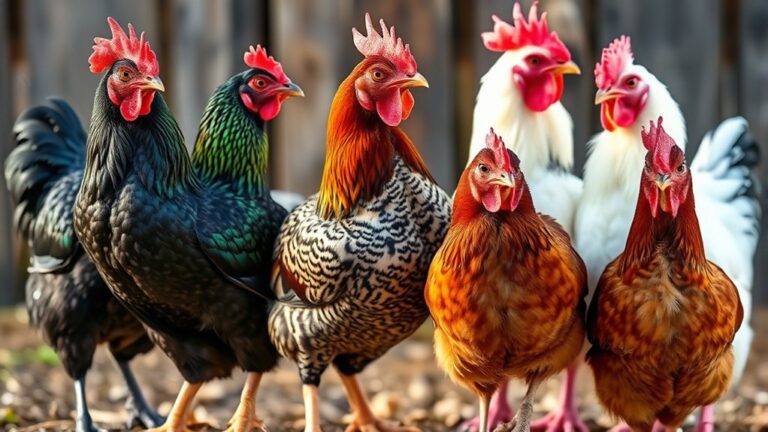
Some chicken breeds cost far more than others, especially rare, heritage, or highly prized show birds. If you want a premium bird, expect to pay extra for breeds like Ayam Cemani, Silkie, and certain Orpingtons. You’ll also see higher prices for heritage breeds that breeders preserve for their genetics, hardiness, or appearance.
Show chickens often cost the most because they need strong breed traits, flawless plumage, and proven lineage. You’ll usually pay more when a breeder has limited stock, a waiting list, or wins at poultry shows. Color varieties can raise the price too, especially when they’re uncommon.
If you’re shopping for backyard eggs, you don’t need to choose the priciest bird. A healthy, well-bred chicken from a reputable source often gives you better value than a flashy rare breed. In short, the rarest and most specialized chickens command the highest prices.
How Much Do Chickens Cost by Age?
Chicken prices vary a lot by age, with chicks usually costing the least and mature hens or roosters costing more. If you’re shopping, you’ll often pay a few dollars for a day-old chick, more for a pullet, and the most for a laying hen or proven rooster.
Age factors matter because older birds can offer immediate eggs, while younger birds need time. Breed differences also shift the price; rare or high-production breeds often cost more at every stage. Market trends can push prices up during spring hatch seasons or when demand spikes.
- Chicks: cheapest, but they need patience.
- Pullets: a middle option if you want near-term laying.
- Adults: pricier, yet they save you waiting time.
You should also think about chicken lifespan, since age affects how long a bird may stay productive for your goals.
What Does a Backyard Chicken Setup Cost?
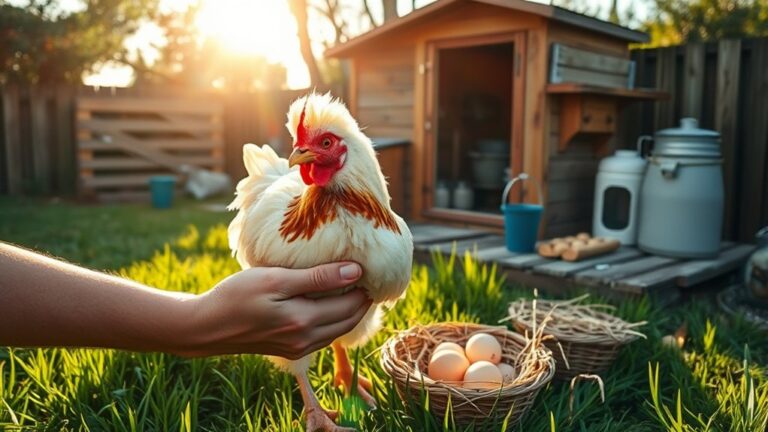
Setting up your backyard chicken space usually begins with the coop and run. This can range from a simple DIY project to a more expensive pre-made kit, depending on what you choose. On top of that, you’ll want to factor in the cost of feed, bedding, and other essentials to keep your chickens happy and healthy. These ongoing expenses can add up quicker than you might expect, so it’s a good idea to plan ahead.
Coop And Run Costs
Before you bring home a flock, you need to budget for the setup itself. That usually means the coop, run, feeders, waterers, bedding, and predator-proof hardware.
A basic coop can be a few hundred dollars, while larger, insulated builds can climb much higher. Your run also adds cost, especially if you choose sturdy fencing, roofing, and dig-proof barriers.
Don’t forget coop maintenance, because repairs, sealant, and replacement latches can add up over time. Run materials matter too, since wire gauge and framing affect both safety and price.
- Small DIY coop: lowest upfront cost
- Prefab coop: faster, but pricier
- Expanded run: extra space, extra expense
Feed, Bedding, And Supplies
Once the coop and run are in place, the ongoing costs start showing up in feed, bedding, and basic supplies. You’ll spend most on chicken nutrition because quality feed keeps hens healthy and laying well.
Different feed types change your budget, from starter crumbles to layer pellets. Bedding options also matter since pine shavings, straw, or hemp all need regular replacement.
Watch supply sources too; farm stores, online shops, and local mills can change what you pay.
| Item | Typical Cost | Why It Matters |
|---|---|---|
| Feed | Monthly | Drives chicken nutrition |
| Bedding | Weekly/Monthly | Controls odor and waste |
| Supplies | As needed | Covers feeders, grit, and supplements |
Plan for steady small expenses, not one-time spending.
What’s the Difference Between Eggs and Meat Birds?
Eggs and meat birds serve very different purposes, so the biggest differences show up in their breed, growth rate, and output. You’ll notice egg layers are bred for steady egg production, while broilers focus on fast growth and meat quality. These breeding differences shape everything from their bodies to how you care for them.
Egg layers are bred for steady egg production, while broilers are bred for fast growth and meat quality.
Your farming practices should match your goal because layers need longer-term care and a balanced diet that supports ongoing nutritional value. Meat birds convert feed quickly and reach market weight sooner.
- Layers give you fewer pounds of meat but more consistent eggs.
- Broilers grow fast and suit short production cycles.
- Your choice depends on market demand and your budget.
If you want breakfast every week, choose layers. If you want table birds, pick meat birds.
Where Can You Buy Chickens for Less?
If you want to save money, you’ve got several places to buy chickens without paying retail prices. Start with local farms, where you can often pick up chicks, pullets, or older birds directly from the breeder.
Check feed stores, too, since many host seasonal sales or connect you with nearby sellers. Online marketplaces and classified ads can turn up budget-friendly options, but you should verify the seller’s reputation before you meet.
Community co-ops sometimes organize bulk purchases, letting you choose from trusted sources at lower prices. Don’t overlook farm fairs, where breeders often bring birds they need to move quickly.
Chicken auctions and livestock exchanges can offer the lowest bids if you’re comfortable comparing birds on the spot. Each source gives you a different mix of price, convenience, and selection, so you can shop around and find chickens that fit your needs without spending more than necessary.
How Can You Save Money on Chickens?
You can keep chicken costs down by thinking beyond the purchase price and planning for the long run. Buy hardy breeds that fit your climate because healthier birds usually need fewer vet visits and less extra care. You’ll also save by starting with a small flock and adding birds only when you can support them well.
Choose hardy breeds and start small to keep chicken costs low over the long run.
- Shop for starter supplies used or secondhand, especially feeders, waterers, and fencing.
- Compare bulk chicken feed prices and store it in a dry, sealed bin to prevent waste.
- Handle coop maintenance yourself by checking for leaks, replacing bedding regularly, and fixing damage before it grows.
You can also cut costs by growing some treats, like greens or insects, so you rely less on purchased feed. Keep records of what you spend, then adjust your routine when you spot waste. Small, steady choices add up and help you raise chickens without overspending.
Chicken Prices by Budget: Low to High
You can start with budget chicken cuts like thighs, drumsticks, and wings. These usually cost less and still work great in everyday meals. If you’re looking for something more tender or convenient, you’ll end up paying a bit more for premium options like breasts, organic, or air-chilled cuts. By comparing these price levels, you can easily pick the chicken that fits both your recipe and your budget.
Budget Chicken Cuts
Budget chicken cuts make it easy to keep meal costs low, especially when you shop the cheapest options first and build up from there. You’ll find budget friendly options like drumsticks, thighs, and whole chicken sections that stretch your dollar without much effort.
These affordable cuts work well for soups, tacos, casseroles, and sheet-pan dinners, so you can plan meals around what’s on sale.
- Drumsticks: cheap, easy to season, and great for roasting.
- Thighs: juicy, flexible, and often priced lower than breasts.
- Whole chicken: gives you multiple meals from one purchase.
When you buy in bulk or watch weekly ads, you can stock your freezer and lower your dinner costs even more.
Premium Chicken Options
When you move past the cheapest cuts, premium chicken options can raise your grocery bill fast, but they also bring more convenience and often better texture and flavor. You’ll usually pay more for organic chicken, free range prices, and gourmet options because producers invest in better feed, space, and handling.
If you shop at specialty markets or buy from local farms, you may find heritage breeds with richer taste and firmer meat. That extra cost often reflects stronger chicken quality and ethical sourcing, which matters if you want transparency in how birds are raised.
Compare labels carefully, since premium packaging can hide big differences. If flavor, welfare, and consistency matter to you, these higher-priced choices can be worth the upgrade.
Frequently Asked Questions
Can Chickens Be Kept as Pets Indoors?
Yes, you can keep chickens indoors, but you’ll need to plan carefully. You should choose pet chicken breeds that stay calm and small. You must manage indoor chicken care with regular cleaning, proper flooring, and enough light.
You’ll also need a safe space, ventilation, and daily time outside if possible. Chickens can bond with you, but they’re messy, noisy, and need attention to stay healthy.
How Long Does a Chicken Usually Live?
A chicken usually lives 5 to 10 years, though some can reach 12 or more if you care for them well. Your chicken lifespan depends on breed, diet, predators, disease, and stress, which are key factors affecting lifespan.
You’ll get better results when you provide clean water, space, and regular health checks. Keep an eye on them, because a stitch in time saves nine, and good care really pays off.
Do Chickens Need a Rooster to Lay Eggs?
No, you don’t need a rooster for hens to lay eggs. Your hens will produce eggs on their own once they reach maturity, as part of normal egg production.
A rooster only fertilizes eggs if you want chicks. Rooster benefits include flock protection, alert calls, and mating, but they aren’t necessary for daily laying.
If you just want fresh eggs, you can keep hens without a rooster and still get plenty.
Are Chickens Noisy at Night?
Yes, they can be, especially when you’d rather sleep. You’ll hear clucks, rustles, and sometimes a rooster’s crow at dawn, because chicken behavior doesn’t respect your alarm clock.
Good coop design helps with sound reduction, since tight latches, insulation, and a calm flock cut night noises. If you keep them secure, dark, and comfortable, your chickens usually stay quieter after sunset, leaving you wondering who’s really running the yard.
Can You Eat Eggs From Any Chicken Breed?
Yes, you can eat eggs from any chicken breed, as long as the eggs are fresh and safe. You’ll notice breed differences mainly in egg production, size, shell color, and laying frequency, not in whether the eggs are edible.
Some breeds lay lots of eggs, while others lay fewer. You can enjoy eggs from backyard hens, ornamental birds, or standard layers once they’re collected and handled properly.
Conclusion
So, how much does a chicken cost? It really depends on whether you’re buying meat, a live bird, or a rare breed. One interesting stat: a standard broiler can cost just a few dollars, while specialty breeds may run 10 times more.
That gap shows how much breed, age, and purpose matter. If you’re budgeting, compare sellers, buy in season, and know what you need before you spend. Knowing how much a chicken costs helps you make smarter choices.