Can Chickens Eat Corn?
If you’ve ever wondered whether it’s safe to give your chickens corn, you’re not alone. Many chicken owners struggle with figuring out what treats are healthy and which ones might do more harm than good.
Finding the right balance between treats and nutritious feed can feel like a tricky puzzle.
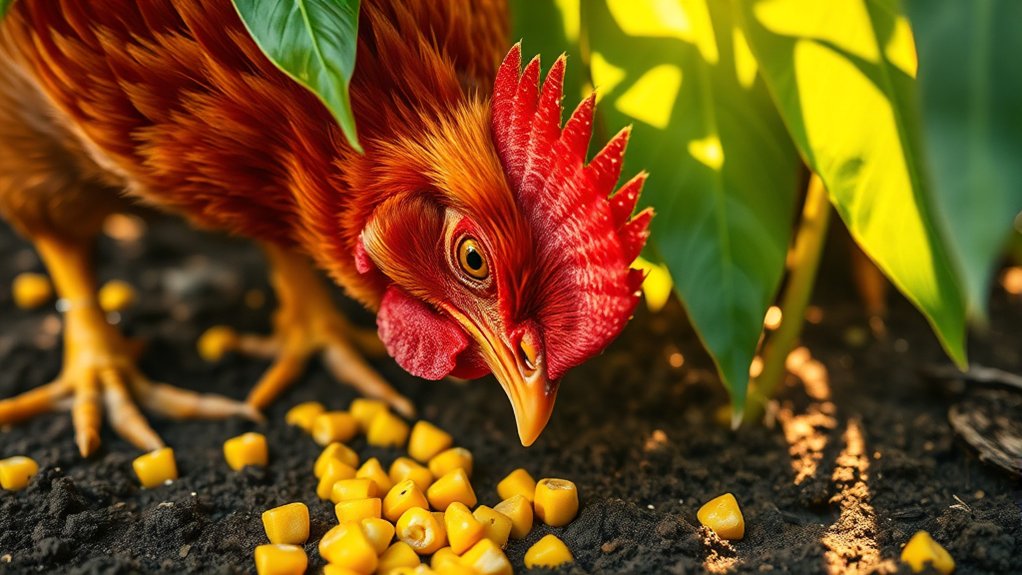
Yes, you can feed chickens corn as an occasional treat. It gives them a quick energy boost and can be offered as cracked corn, whole kernels, cooked corn, or thawed frozen corn, as long as it’s plain and clean.
Keep portions small so corn doesn’t crowd out their complete feed. Can Chickens Eat Corn.
Avoid moldy, salty, or seasoned corn, and skip corn chips.
If you keep going, you’ll pick up the best ways to serve it.
Key Takeaways
- Yes, chickens can eat corn as an occasional treat, including cracked, whole, cooked, or thawed frozen corn.
- Corn provides quick energy and is especially useful during cold weather, molting, or after foraging.
- Feed corn plain and unseasoned. Avoid salt, butter, oil, mold, or spoiled kernels.
- Offer corn in small amounts so it does not replace complete feed. That should remain their main diet.
- Chicks may struggle with whole corn, so give smaller forms and age-appropriate portions instead.
Can Chickens Eat Corn?
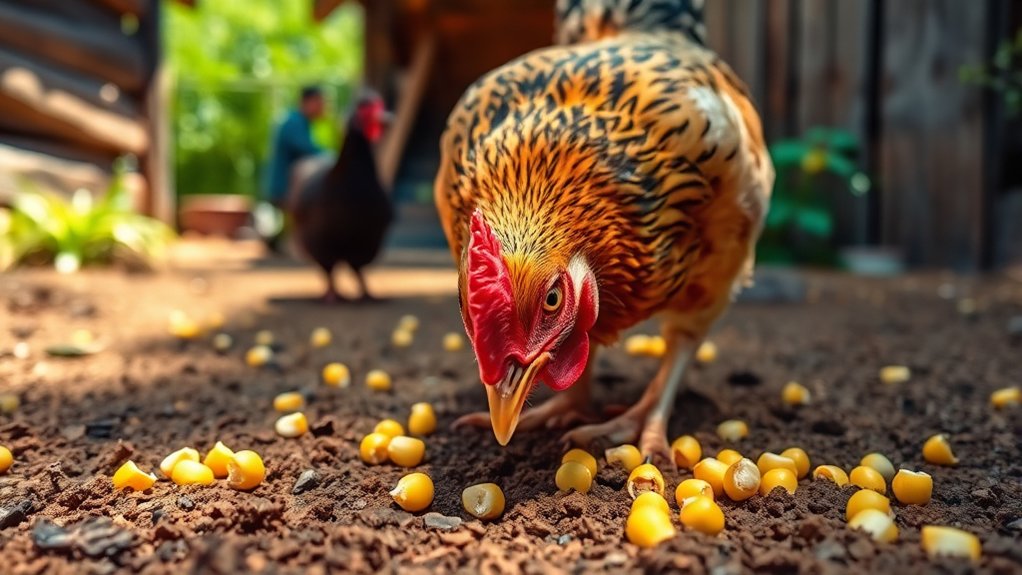
Yes, chickens can eat corn, and many enjoy it as a tasty treat. You can offer it in several corn varieties, including cracked corn, whole kernels, or cooked corn, depending on what your flock can handle best.
Your birds may peck enthusiastically at one form and ignore another, so watch chicken preferences when you introduce it. A small serving works well as an occasional snack, not a daily staple.
Your birds may prefer one corn form over another, so offer small amounts as an occasional treat.
You should also keep the corn clean and free from mold, salt, or seasoning. If you scatter it on the ground, your chickens will scratch and forage naturally, which can make treat time more engaging.
Still, you need to balance corn with their regular feed so they get complete nutrition. When you offer corn thoughtfully, you give your flock a simple, familiar treat that most chickens can enjoy without trouble.
Why Is Corn a Good Treat for Chickens?
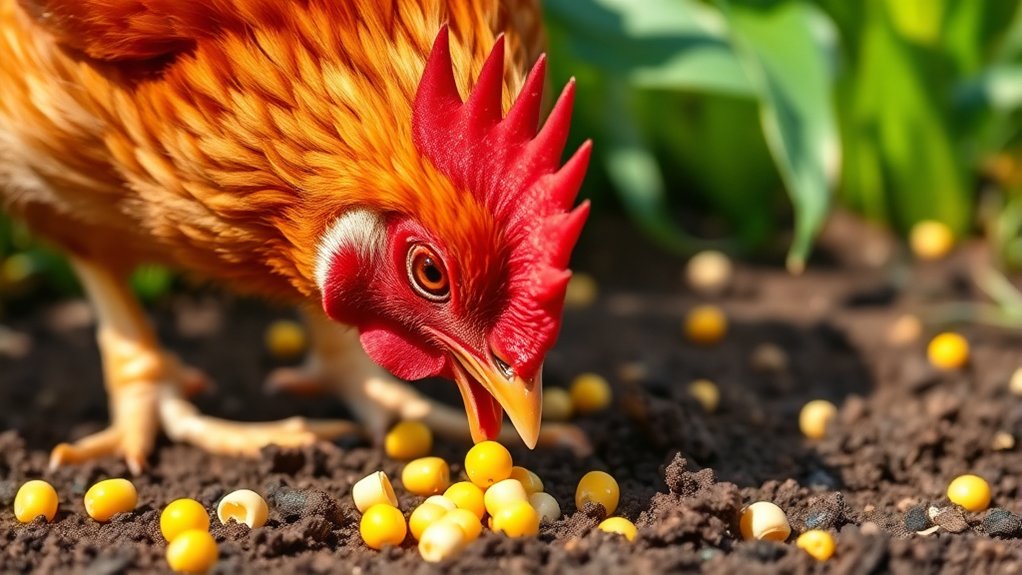
Corn gives your chickens a quick energy boost because it’s packed with carbohydrates. Plus, it’s easy for them to digest, so it makes a simple treat to offer. That’s why corn can be a handy snack for your flock, just as long as you give it in moderation.
Energy Boosting Carbs
When your chickens need a little extra fuel, corn can be a handy treat because it’s rich in carbohydrates that provide quick energy. You can use it as one of their reliable energy sources, especially during cold snaps, molt, or after a busy day of scratching and foraging.
The carbohydrate benefits are simple: corn helps top off their reserves and supports steady activity without requiring much effort from you. Offer it in small amounts so it stays a treat, not a meal replacement. A few kernels can perk up your flock and encourage natural pecking behavior.
Easy To Digest
Because corn is easy for chickens to peck and swallow, it makes a simple, low-stress treat for birds of all ages. You can offer it as a snack that won’t overwhelm their crop or slow them down.
Its soft kernels break down easily, so your flock can digest them with less effort than many heavier treats. That means you get practical digestive benefits when you serve corn in moderation.
Corn also adds useful nutritional value, including quick energy that helps support daily activity and foraging. When you choose whole or cracked corn, you give your birds a familiar food they can handle without trouble.
Keep portions small, and you’ll have a treat that fits well into a balanced diet.
How Much Corn Can Chickens Have?
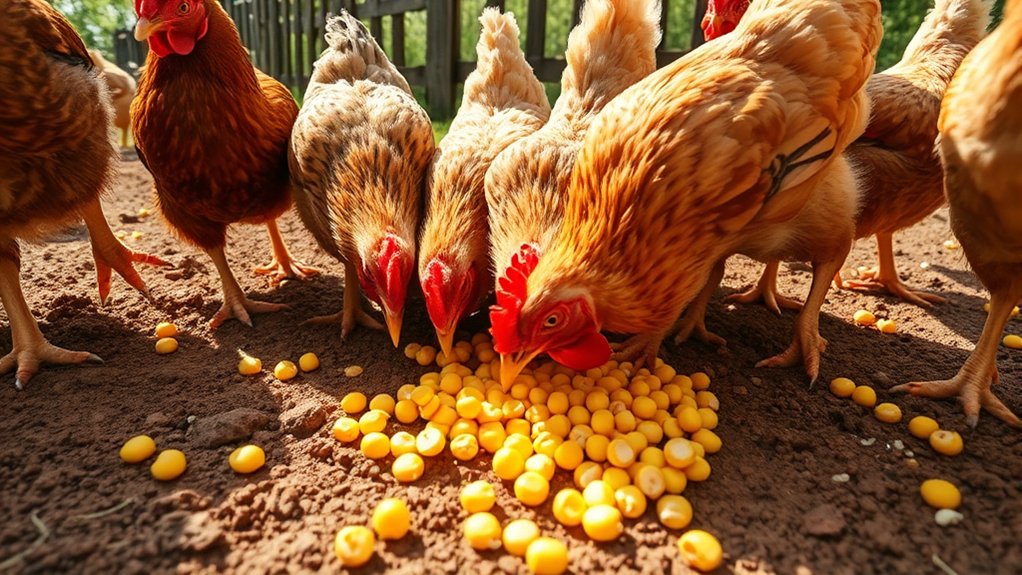
A little corn can be a healthy treat for chickens, but it shouldn’t take over their diet. You should think of corn as an occasional snack, not a meal replacement, and keep the corn quantity modest. For most flocks, a small handful for several birds is enough at one time.
If you feed corn too often, you can crowd out the balanced feed they need for growth, egg production, and steady energy. A sensible feeding frequency is a few times a week at most, with less for chicks and more for adult birds only when they’re active and healthy.
You can adjust based on weather, flock size, and how much other feed they already eat. If your chickens leave the corn behind, you’re likely offering too much. Watch their condition, and use corn to supplement, not dominate, their daily diet.
What’s the Best Way to Serve Corn?
The best way to serve corn is plain, simple, and easy for chickens to eat. You can offer it fresh, thawed, cooked, or dried, depending on what you have on hand. Good corn preparation methods keep the treat safe and manageable, so you should avoid adding salt, butter, oil, or seasonings.
If you use frozen corn, let it thaw first so your flock can peck at it easily. For cooked corn, cool it completely before serving. You can also mix a small amount into a balanced feed or scatter it on clean ground to encourage natural foraging.
Smart corn serving tips include keeping portions small and offering corn as an occasional treat, not a staple. Always provide fresh water alongside it, and remove leftovers before they spoil. If you want to keep things simple, plain kernels work best and let your chickens enjoy corn without extra fuss or unnecessary ingredients.
Can Chickens Eat Whole Corn?
Yes, chickens can eat whole corn, but you should think about the bird’s age and size before offering it. Adult birds usually handle it well, and it can add energy, mental stimulation, and variety to their diet. These whole corn benefits make it a useful treat, especially in cooler weather when they need extra calories.
You should still watch for whole corn risks. Chicks and smaller birds may struggle to break down large kernels, and overfeeding can crowd out balanced feed. Because corn is calorie-dense, too much can lead to weight gain and nutritional imbalance. Offer whole corn as an occasional supplement, not a main meal, and make sure fresh water is always available.
If you want to keep your flock healthy, give only a modest amount and observe how each bird eats. When you pair whole corn with a complete diet, you can provide variety without sacrificing nutrition.
Can Chickens Eat Corn on the Cob?
Absolutely, chickens can eat corn on the cob, and many birds enjoy pecking kernels straight from the cob. You can offer it whole, split it in half, or hang it up for a fun treat that keeps your flock busy.
Corn nutrition includes energy-rich carbohydrates, plus a little protein and fiber, so it can support active birds as part of a balanced diet. Still, you shouldn’t rely on corn as a main feed because it lacks many vitamins and minerals chickens need every day.
Corn offers energy-rich carbohydrates, but it shouldn’t be a chicken’s main feed since it lacks key nutrients.
When you use different feeding methods, make sure the cob is fresh, clean, and free from mold or seasoning. Remove any spoiled spots before serving, and don’t leave leftovers lying around too long.
Letting chickens peck at corn on the cob can reduce boredom and encourage natural foraging behavior. Just keep in mind that treats should stay limited, with complete feed doing most of the nutritional work.
Can Chickens Eat Corn Chips or Popcorn?
Chickens can eat plain popcorn in small amounts, but corn chips are a different story because they’re usually loaded with salt, oil, and seasonings that don’t belong in a hen’s diet. If you want to offer popcorn, keep it plain, fully popped, and unsalted. That makes popcorn safety much easier to manage.
You should avoid buttered, caramel-coated, or cheese-flavored versions since those extras can upset your flock’s balance and tempt them away from healthier feed.
Corn chips aren’t a good treat choice. They’re processed, salty, and often greasy, so they don’t give your chickens the simple nutrition they need. If you do share a tiny piece, it should be a rare exception, not a habit.
For better treats, you can stick with scratch grains, chopped greens, or plain kernels. Those options let you treat your birds without turning snack time into a mess.
When Does Corn Become a Problem?
Corn becomes a problem when it starts replacing a balanced feed or showing up in forms that are too fatty, salty, or processed for your flock. You can also run into trouble if your chickens gorge on corn and skip the nutrients they need from their regular feed.
That doesn’t mean corn is toxic in normal amounts, but corn toxicity can become a concern if moldy or spoiled kernels enter the mix. Watch for reduced egg production, dull feathers, loose droppings, or birds that seem less active.
These signs often point to poor nutritional balance, not corn itself, and you should correct the diet quickly. Keep treats limited, store corn dry, and toss anything that smells musty or looks discolored.
If you feed corn, make it an occasional supplement, not the main event, so your flock stays healthy and well-fed.
How Does Corn Fit Into a Chicken Diet?
A small amount of corn can fit into a chicken’s diet as a treat or energy boost, but it shouldn’t crowd out a complete feed. You should keep corn secondary so your flock still gets proper protein, vitamins, and minerals for steady growth and egg production. Use feeding guidelines to limit portions and protect nutritional balance.
| Item | Role | Limit |
|---|---|---|
| Complete feed | Main diet | Free-choice |
| Corn | Treat/energy | Small amount |
| Water | Daily support | Always available |
When you offer corn, give it after hens eat their regular ration, not instead of it. You’ll avoid excess calories and help birds stay active. If you raise chicks, be even more careful, since they need a tighter balance of nutrients than adults. Watch body condition, egg output, and droppings, and adjust portions if your birds start filling up on corn instead of feed.
What Other Treats Can Chickens Eat?
Besides corn, you can offer chickens a variety of healthy treats like leafy greens, berries, mealworms, squash, and cooked grains, as long as they make up only a small part of the diet. You can rotate fruit options such as apples, melons, and grapes to add interest without overdoing sugar.
For vegetable choices, try chopped kale, cucumbers, peas, or pumpkin for extra nutrients. Good protein sources include mealworms, scrambled eggs, and plain yogurt in small amounts. If you want grain alternatives, consider oats, rice, or barley, but keep portions light.
Treat moderation matters because too many extras can crowd out balanced feed. You should also focus on snack safety by avoiding moldy, salty, seasoned, or toxic foods. These treats can encourage natural foraging behavior, reduce boredom, and support dietary variety in your flock when you offer them responsibly.
Frequently Asked Questions
Can Chickens Eat Canned Corn?
Yes, you can feed chickens canned corn, but you should choose low-sodium or no-salt-added varieties and drain it well. You’ll want to offer it as an occasional treat, not a main feed, because too much can upset their balanced diet.
The canned corn benefits include extra energy and a tasty snack, while good feeding guidelines help you keep portions small and safe for your flock.
Is Corn Safe for Baby Chicks?
Yes, corn’s safe for baby chicks in small amounts, but don’t crown it their royal diet. You should focus on balanced baby chick nutrition first, since chicks need starter feed more than snack-time corn drama.
Corn benefits include quick energy and a tasty treat, yet it can’t replace proper protein, vitamins, and minerals. If you offer corn, keep it finely cracked and occasional so your chicks stay healthy and growing well.
Can Chickens Eat Sweet Corn Kernels?
Yes, you can feed chickens sweet corn kernels in moderation. They’ll usually peck at them enthusiastically, and sweet corn benefits include extra energy and a tasty treat.
Still, your flock’s chicken feeding preferences may vary, so offer it alongside a balanced feed. You shouldn’t rely on corn alone since it lacks complete nutrition.
Cooked, thawed, or raw kernels are fine, but avoid salted or seasoned corn.
Does Corn Affect Egg Quality?
Not much, if you feed it wisely. You’ll usually see no harm to egg quality from moderate corn, because it adds energy and some nutritional benefits.
Still, corn shouldn’t be your bird’s whole diet; too much can dilute protein and vitamins, which may affect yolk color and shell strength. Mix it with balanced feed alternatives, and you’ll keep your hens laying well.
Can Chickens Eat Moldy Corn?
No, you shouldn’t feed chickens moldy corn. You risk mold risks, including toxins that can damage their liver, lower egg production, and cause illness.
Even if it looks only slightly spoiled, it loses nutritional value and can harm your flock. Follow feeding guidelines by offering clean, dry corn only, and toss anything damp, discolored, or smelly.
When you protect their feed, you protect their health implications too.
Conclusion
So, can chickens eat corn? Yes, but there’s more to the story than you might think. If you offer it the right way, corn can be a tasty treat that keeps your flock happy.
But too much, or the wrong kind, can quickly tip the balance. Before you toss another handful into the coop, make sure you know what your chickens really need.
The next choice you make could affect their health more than you’d expect. So remember, when it comes to feeding your birds, understanding if chickens can eat corn is key.