What Are Black Chickens With Black Meat?
If you’ve ever wanted to try something truly unique in the kitchen but felt overwhelmed by the options, you’re not alone. Many people struggle to find poultry that stands out in flavor and appearance without sacrificing quality.
Black chickens with black meat offer an exciting alternative that’s as intriguing as it is delicious.
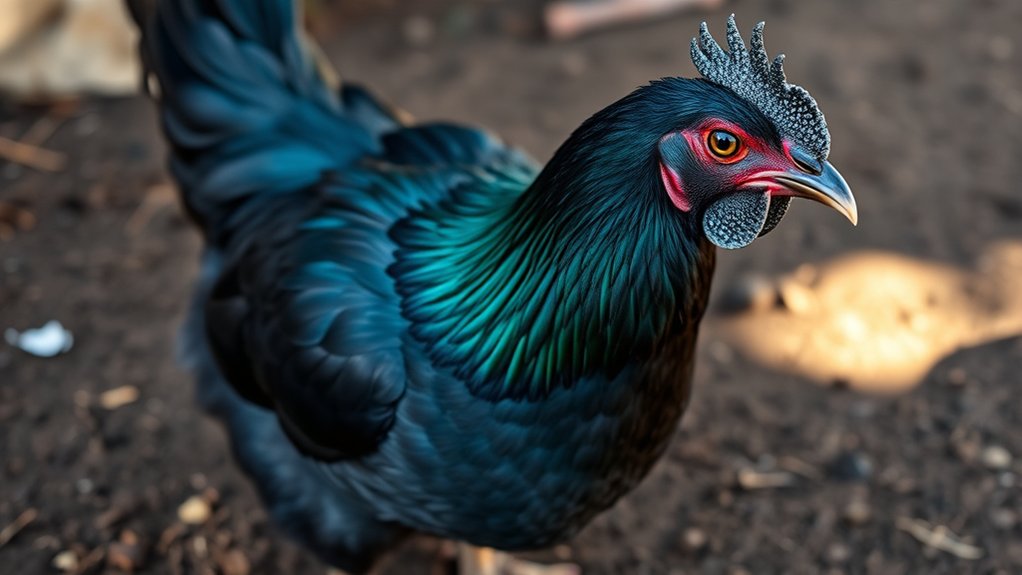
Black chickens with black meat are unique poultry known for their striking dark feathers and richly colored skin and muscles, thanks to a special fibromelanosis gene. You’ll find popular breeds like the silky-feathered Silkie and the all-black Ayam Cemani prized for their distinctive flavor, cultural significance, and nutritional benefits.
Their meat offers a richer, earthier taste than regular chicken, often used in traditional dishes. Keep exploring to uncover their origins, cooking tips, and cultural stories.
Key Takeaways
- Black chickens have dark feathers and black meat because of the fibromelanosis gene, which causes excess melanin in their skin and muscles.
- Popular breeds include Silkie, Ayam Cemani, and Black Jersey Giant. They’re known for their unique look and cultural significance.
- Their meat is richer, firmer, and denser, with earthy and gamier flavors. It’s perfect for slow cooking and traditional recipes.
- Black chicken meat is nutrient-dense and high in antioxidants, iron, and amino acids. These qualities support health and traditional medicinal uses.
- These chickens hold cultural symbolism for protection, good fortune, and longevity in Asian and Indonesian traditions.
What Are Black Chickens?
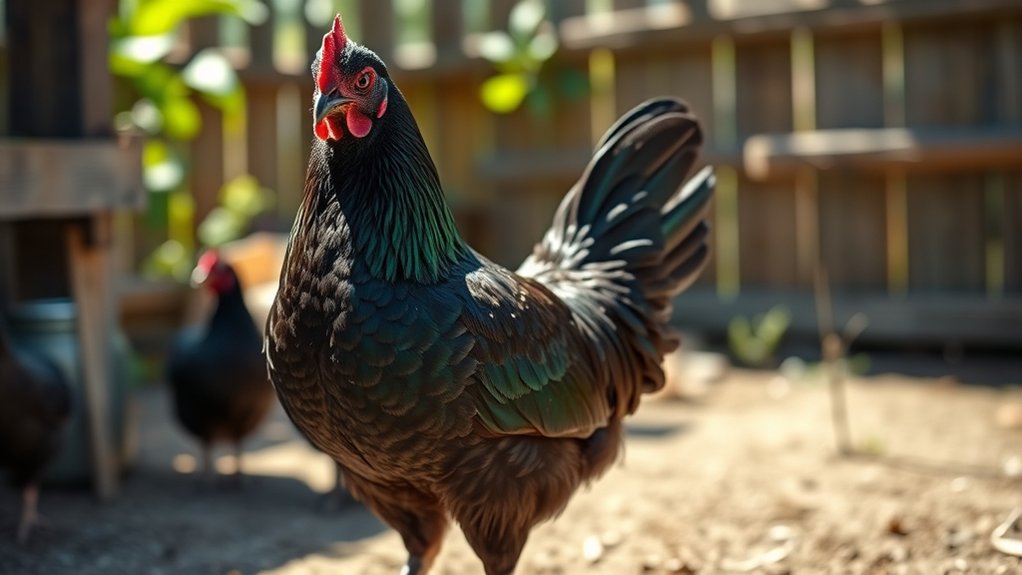
Although you might not have seen them often, black chickens are a unique breed known for their striking dark feathers and unusual black meat. You’ll find that black chicken symbolism often ties to mystery, strength, and rarity across cultures, making these birds more than just livestock.
When you look into breeding practices, you’ll see that raising black chickens requires careful selection to maintain their distinctive traits. Farmers focus on preserving their dark plumage and unique physiology, ensuring these chickens don’t lose their special characteristics.
You might be surprised to learn that these birds have been bred for centuries, both for their symbolic value and their culinary uniqueness. If you’re interested in poultry, understanding black chickens gives you insight into how selective breeding impacts not only appearance but also cultural significance.
How Do Black Chickens Get Their Dark Color?
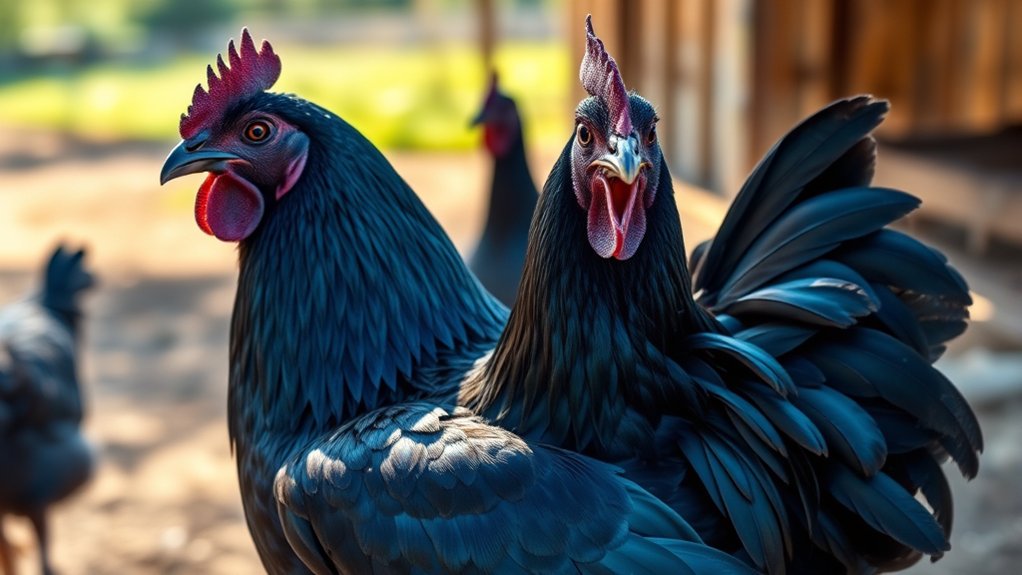
The striking black feathers and meat of these chickens come from specific genetic traits that influence pigmentation. You’ll find that a gene called fibromelanosis causes the excessive melanin in their skin and muscles, giving them that deep black color you notice. This genetic trait also leads to color variations within black chicken breeds, ranging from solid black to shades with hints of blue or green iridescence in their feathers.
When you’re raising or studying black chickens, understanding these color variations matters, especially for breed conservation. Preserving these unique genetic characteristics ensures the survival of distinct breeds with their rare pigmentation traits. By supporting breed conservation efforts, you help maintain the diversity and health of black chicken populations, keeping their remarkable color traits intact for future generations to appreciate and enjoy.
What Are the Most Popular Black Chicken Breeds?
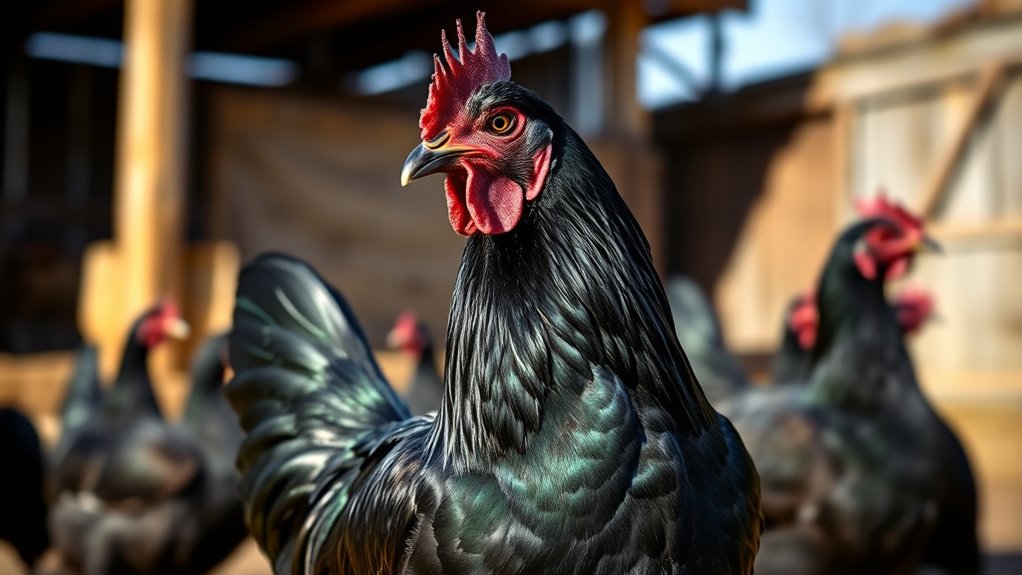
You’ll find several popular black chicken breeds that really stand out because of their unique traits. Take the Silkie, for example—it’s known for its fluffy feathers that almost feel like silk. Then there’s the Ayam Cemani, which is famous not just for its all-black appearance but also for its mystical origins that make it quite fascinating. And you can’t forget the Black Jersey Giant, which impresses folks with its large size and calm temperament. Each of these breeds brings something special to the table!
Silkie Chicken Characteristics
When you think of black chicken breeds, Silkie chickens often come to mind because of their unique appearance and gentle temperament. Their fluffy feather color ranges from black to blue and even white, but the black variety is especially striking. You’ll appreciate their calm nature, which makes them great pets or show birds.
While their egg production isn’t as high as other breeds, they still lay small, tinted eggs consistently.
Here are some key Silkie chicken characteristics:
- Distinctive fluffy feathers resembling fur
- Black skin and bones underneath
- Calm and friendly disposition
- Moderate egg production of about 100-120 eggs per year
- Unique five-toed feet, unlike most chickens
Silkies offer an intriguing blend of beauty and personality if you’re exploring black chicken breeds.
Ayam Cemani Origins
Although black chicken breeds are known worldwide, Ayam Cemani stands out for its striking all-black appearance and rich cultural history. Originating from Indonesia, this breed embodies black chicken symbolism deeply rooted in local traditions.
People believe its black feathers, skin, and even internal organs bring good luck and spiritual protection. You’ll find Ayam Cemani revered not only for its rare beauty but also for its cultural significance of black chickens in rituals and ceremonies.
If you’re curious about black chicken breeds, Ayam Cemani is a prime example showing how appearance and symbolism combine. Its unique traits and cultural value make it one of the most popular black chickens globally, mesmerizing enthusiasts who appreciate both its mystery and heritage.
Black Jersey Giant Traits
If you want a black chicken breed known for its size and gentle nature, the Black Jersey Giant is a top choice. This breed stands out not only for its impressive size but also for its striking black plumage, a result of a genetic mutation that boosts pigment concentration.
When you raise Black Jersey Giants, you’ll notice their calm temperament and hardy constitution, making them great for both beginners and experienced keepers.
Key traits include:
- Large body size, often weighing over 13 pounds
- Deep, glossy black plumage with greenish sheen
- Calm and friendly disposition
- Strong resistance to common poultry diseases
- Slow maturation but excellent meat quality
These traits make the Black Jersey Giant a popular black chicken breed in many flocks.
Where Did Black Chickens Originate?
Since black chickens have fascinated people for centuries, you might wonder where these striking birds first appeared. Black chickens like the Ayam Cemani from Indonesia and the Silkie from China have rich histories tied to black chicken symbolism and cultural significance. Many cultures viewed them as mystical or sacred, often associating black chickens with protection and good fortune.
Here’s a quick look at the origins of some famous black chicken breeds:
| Breed | Origin |
|---|---|
| Ayam Cemani | Indonesia |
| Silkie | China |
| Kadaknath | India |
| Black Jersey Giant | United States |
| Sumatra | Indonesia |
Each breed carries unique cultural stories, highlighting black chickens’ special role worldwide. So, when you see a black chicken, you’re witnessing a bird with a deep cultural heritage and symbolic meaning that spans continents.
How Does Black Chicken Meat Taste Compared to Regular Chicken?
You’ll notice that black chicken meat has a richer, more intense flavor compared to regular chicken. Plus, its texture tends to be firmer and juicier. Because of this, you might want to cook it a little differently. Once you understand these differences, it’s easier to pair black chicken with the right ingredients to get the best taste.
Flavor Profile Differences
Although black chicken meat shares many similarities with regular chicken, its flavor carries distinct nuances that set it apart. The breed genetics influence a deeper, richer taste, often linked to the bird’s unique muscle composition. Color symbolism also plays a role, as many cultures associate black chickens with special culinary and medicinal qualities, enhancing your experience of their flavor.
Here’s what you can expect when tasting black chicken meat compared to regular chicken:
- Earthier and more intense flavor notes
- Slightly gamier undertones without overpowering
- Subtle herbal and mineral hints due to diet and breed
- Less blandness, offering a fuller taste profile
- A savory richness that complements diverse cooking styles
When you cook black chicken, these flavor differences become more pronounced, elevating your dish.
Texture and Juiciness
The unique flavor of black chicken naturally invites curiosity about its texture and juiciness. When you cook black chicken, you’ll notice its meat tends to be denser and more fibrous than regular chicken, giving it a pleasantly chewy bite.
Proper cooking techniques, like slow simmering or braising, help release its natural moisture and tenderness, ensuring it doesn’t dry out. This texture pairs well with its rich, slightly gamey flavor.
You’ll also appreciate that black chicken retains juiciness longer, making each bite flavorful and satisfying. Beyond taste, black chicken offers health benefits, such as higher levels of antioxidants and nutrients, which might contribute to its distinct mouthfeel.
Culinary Uses and Pairings
When cooking with black chicken, you’ll find its flavor richer and more complex than regular chicken, with subtle earthy and gamey notes. This unique taste pairs well with bold ingredients that complement its depth.
Black chicken symbolism often ties it to health and longevity, partly due to its traditional medicinal uses. You can honor this by preparing nourishing meals.
Try these culinary tips for the best experience:
- Simmer in herbal broths to amplify traditional medicinal flavors
- Pair with ginger and garlic for warmth and spice
- Use soy sauce and sesame oil to heighten umami
- Add mushrooms or black garlic for earthy undertones
- Incorporate into slow-cooked stews to tenderize and enrich flavor
These pairings highlight black chicken’s distinctive taste and cultural significance.
What Are the Nutritional Benefits of Black Chicken Meat?
If you’re looking to boost your diet with nutrient-rich options, black chicken meat offers a unique profile that sets it apart from regular chicken. Unlike common beliefs fueled by black chicken myths, this meat is packed with antioxidants, vitamins, and minerals, especially iron and carnosine. These nutrients support muscle function and reduce inflammation.
You’ll find it rich in amino acids that promote overall health and boost your immune system. Understanding its nutritional benefits also means appreciating the cultural significance black chicken holds in many Asian and African traditions. It’s valued not just for taste but for its health properties.
While some myths exaggerate its medicinal powers, scientific research confirms it provides a denser nutrient profile. So, when you include black chicken meat in your meals, you’re tapping into a wholesome, nutrient-dense food that supports wellness beyond standard poultry options.
Why Is Black Chicken Meat Valued for Flavor and Culture?
Beyond its impressive nutritional profile, black chicken meat carries rich cultural and culinary significance that many people find appealing. You’ll find that black chicken folklore often ties this unique poultry to mythical origins, enhancing its value beyond taste alone. People treasure it not just for flavor but for the stories and traditions it represents.
Black chicken meat holds deep cultural meaning, linking rich flavor to timeless myths and cherished traditions.
You’ll appreciate black chicken meat for these reasons:
- Its distinct, rich flavor profile adds depth to dishes.
- Cultural rituals honor black chickens as symbols of health and longevity.
- Mythical origins link it to ancient healing properties and spiritual beliefs.
- Culinary enthusiasts prize its firm texture and unique taste.
- Traditional medicines use it as a remedy, reinforcing its cultural importance.
When you understand these layers, black chicken meat becomes more than food. It’s a connection to heritage and myth that enriches your culinary experience.
How Are Black Chickens Used in Different Cuisines?
Although black chickens are less common in everyday cooking, many cuisines incorporate them in unique and meaningful ways that highlight their distinctive qualities. When you cook with black chicken, you tap into rich traditions steeped in black chicken symbolism, often linked to health and longevity, especially in Asian cultures.
In Chinese cuisine, for example, black chicken is prized for nourishing soups believed to boost vitality, a practice rooted in black chicken folklore that portrays the bird as a powerful tonic. You’ll also find black chicken featured in Korean dishes, where its rich flavor elevates stews and broths.
In Southeast Asia, it’s a special ingredient used during festive occasions, symbolizing prosperity and protection. By using black chicken in your meals, you connect with these cultural stories and health beliefs, making your cooking not only flavorful but also meaningful. This unique ingredient invites you to investigate a culinary experience that goes beyond taste alone.
Where Can You Buy Black Chickens or Their Meat?
When you’re looking to buy black chickens or their meat, your best options often include specialty markets, ethnic grocery stores, and online retailers that focus on rare or heritage poultry. These sources cater to those intrigued by black chicken symbolism, which is often tied to health and mysticism in black chicken folklore.
Consider these places to find authentic black chickens or their meat:
Explore specialty markets, farmers’ markets, and online sources for authentic black chickens and their meat.
- Asian and African ethnic grocery stores, where black chicken is a staple.
- Farmers’ markets featuring heritage breed farmers.
- Specialty meat shops offering rare poultry.
- Online retailers specializing in black chicken breeds like Ayam Cemani or Silkie.
- Local farms with heritage or rare poultry programs.
How to Cook Black Chicken for Best Flavor
Since black chicken has a unique texture and rich flavor, you’ll want to use cooking methods that highlight its natural qualities without overpowering them. Don’t fall for black chicken myths that suggest it requires special spices or complicated steps.
Instead, stick to common cooking techniques like slow braising or roasting to bring out its deep, earthy taste.
Here’s a quick guide to help you cook black chicken perfectly:
| Cooking Method | Best Use |
|---|---|
| Slow Braising | Tenderizes, *improves* flavor |
| Roasting | Crisps skin, keeps meat juicy |
| Stewing | Ideal for soups and medicinal dishes |
| Grilling | Adds smoky notes, use marinade |
| Stir-frying | Quick, preserves texture |
Frequently Asked Questions
Are Black Chickens More Expensive Than Regular Chickens?
Yes, black chickens with black feather coloration and unique meat pigmentation usually cost more than regular chickens. You’ll pay extra because their distinct traits require special breeding and care.
Plus, their meat is often considered a delicacy, which drives up the price. If you’re interested in trying these rare birds, expect to spend more than you would on standard chickens with typical feather and meat colors.
Do Black Chickens Require Special Care or Housing?
You don’t need special care, and you probably won’t need special housing either. Coincidentally, their feeding requirements match those of regular chickens, so you can stick to a balanced diet.
As for housing considerations, black chickens do well in standard coops with good ventilation and protection. Just keep their environment clean and safe, and you’ll have no trouble raising them alongside your other birds.
Can Black Chickens Be Raised in Cold Climates?
Yes, you can raise black chickens in cold climates, but you’ll need to adjust their feeding habits to keep them energetic and warm. Providing extra calories and ensuring constant access to unfrozen water is essential.
Be aware that breeding challenges may increase in colder environments, as low temperatures can affect fertility and chick survival rates. Proper shelter and consistent care will help your flock thrive despite the cold.
Are Black Chickens More Resistant to Diseases?
Imagine your flock as a fortress, its walls unyielding against invaders. Black chickens often carry genetic variations that boost their disease resistance, making them sturdier defenders against common poultry illnesses.
While not invincible, their unique genetic makeup gives you an edge in maintaining a healthier flock. So, if you want birds that can better withstand health challenges, black chickens might be your secret weapon in the coop.
How Long Do Black Chickens Typically Live?
Black chickens typically live around 6 to 8 years, but their chicken lifespan can vary based on several longevity factors. If you provide proper nutrition, a clean environment, and protect them from predators and diseases, you can help extend their life.
Genetics also play a role, so choosing healthy stock matters. By staying attentive to their needs, you’ll maximize their longevity and enjoy your black chickens for many years.
Conclusion
If you haven’t tried black chicken yet, you’re seriously missing out on a magical culinary treasure! These mysterious birds with their jet-black feathers and rich, flavorful meat aren’t just food. They’re a taste adventure that’ll blow your mind.
Whether you’re cooking up a storm or diving into cultural traditions, black chicken transforms any meal into a legendary feast. So go ahead, grab some black chicken and turn your kitchen into a flavor paradise with these amazing birds!